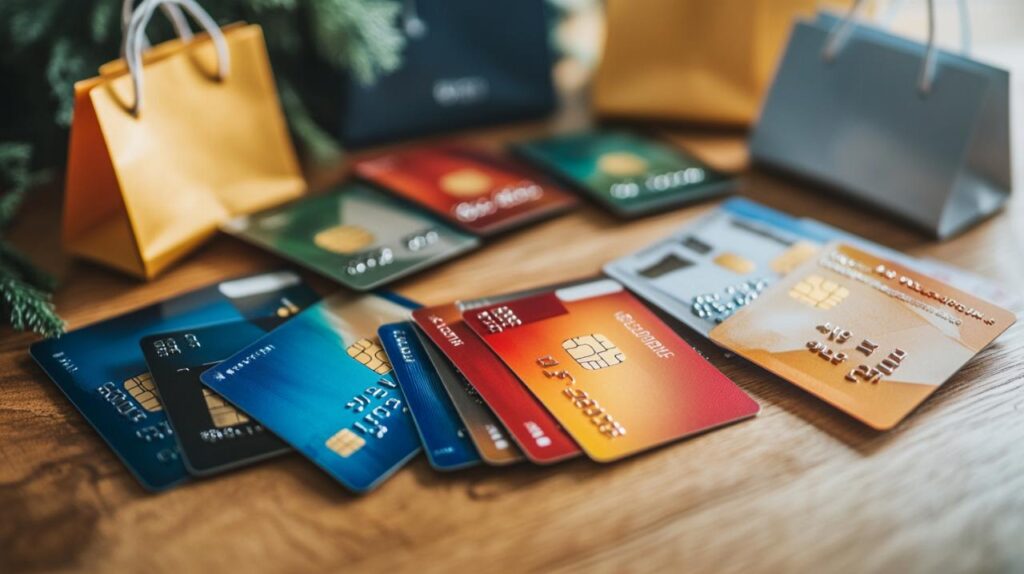
Navigating the world of banking can often feel overwhelming, particularly when fees and charges seem to lurk around every corner. Yet, for those willing to explore the offerings of modern financial institutions, there exists a wealth of opportunities to secure bank cards that come at little or no cost. The landscape has shifted dramatically in recent years, with digital-first providers challenging the conventions of traditional high street banks and making financial services more accessible and affordable for everyone.
Understanding the Landscape of Free and Low-Cost Bank Cards in the UK
The Rise of Digital Banking and Fee-Free Services
The emergence of digital banking has revolutionised the way consumers interact with their finances. These innovative platforms have stripped away many of the burdensome charges that once accompanied basic banking services, offering customers a streamlined, efficient, and cost-effective alternative. Online banks have embraced technology to reduce overheads, passing those savings directly to their users in the form of free bank cards, zero monthly fees, and enhanced budgeting tools. This shift has been driven by a growing demand for transparency and simplicity, with customers increasingly unwilling to tolerate hidden costs or complicated fee structures. Digital banks have responded by designing products that prioritise user experience, making it easier than ever to manage money on the go without incurring unnecessary expenses. The rise of these fee-free services has also prompted traditional banks to reconsider their pricing models, leading to a more competitive marketplace that ultimately benefits consumers.
Comparing traditional high street banks with online alternatives
When weighing the merits of traditional high street banks against their online counterparts, the differences become strikingly clear. Established banks have long been fixtures of the British financial landscape, offering familiarity and a physical presence that some customers still value. However, these institutions often come with a legacy of fees and charges that can quickly add up, particularly for basic services such as maintaining a current account or using a debit card abroad. In contrast, online alternatives have built their business models around the principle of affordability, eliminating many of the costs that traditional banks still impose. Digital banks typically operate without the need for extensive branch networks, allowing them to offer more competitive terms and conditions. For customers seeking a straightforward, no-frills banking experience, the appeal of these online providers is undeniable. They offer the same essential services as their high street rivals but do so with greater transparency and fewer financial barriers. This fundamental difference in approach has made online banks a compelling choice for anyone looking to minimise banking costs while still enjoying the convenience and security of a reliable bank card.
Top Providers of Free Bank Cards: Digital Banks Leading the Charge
Monzo, Starling Bank, and Revolut: Features and Benefits
Among the most prominent names in the digital banking revolution are Monzo, Starling Bank, and Revolut, each of which has carved out a distinct niche in the market. These providers have become synonymous with fee-free banking, offering customers free debit cards and a host of features designed to simplify financial management. Monzo, with its distinctive coral card, has built a loyal following by providing instant spending notifications, budgeting tools, and the ability to categorise transactions effortlessly. Starling Bank, meanwhile, has earned praise for its user-friendly app and commitment to transparency, offering a straightforward current account with no monthly charges and access to a range of additional services. Revolut has distinguished itself through its focus on international transactions, allowing users to spend abroad without incurring hefty foreign exchange fees. All three banks have embraced the principle that banking should be accessible and affordable, making them ideal choices for anyone seeking a free bank card. Their innovative approaches to customer service and financial management have set new standards in the industry, demonstrating that it is possible to offer high-quality banking products without imposing onerous costs on users.
Prepaid cards and student accounts: budget-friendly options
Beyond the offerings of digital banks, there are other avenues for securing a free or inexpensive bank card. Prepaid cards, such as those provided by Cashplus and Tuxedo, offer a practical solution for individuals who wish to maintain strict control over their spending. These cards allow users to load a predetermined amount of money, ensuring that they do not exceed their budget and providing a useful tool for managing finances responsibly. While some prepaid cards may come with modest fees, they remain an affordable option compared to traditional banking products. Additionally, student bank accounts represent another avenue for cost-conscious consumers. Many high street banks offer accounts specifically tailored to the needs of students, featuring free debit cards, interest-free overdrafts, and other benefits designed to ease the financial pressures of academic life. These accounts are an excellent choice for young people entering the world of banking, providing them with the tools they need to manage their money effectively without incurring unnecessary charges. For entrepreneurs and small business owners, basic business accounts also present a viable option, often featuring free cards and lower fees than more comprehensive business banking packages. Virgin Money, for instance, offers a range of banking products including current accounts and savings accounts that cater to different customer needs. Their M Account is a basic bank account designed for individuals who may not have a strong credit history or who do not currently hold a UK account. The M Account does not come with an overdraft or chequebook, but it provides essential banking services without the burden of hefty fees. Applicants must be 18 or over, live in the UK, and can provide standard or non-standard ID. The M Saver linked to M Account offers competitive interest rates, with 1.75 percent AER on balances up to twenty-five thousand pounds, and 1.25 percent AER for amounts above that threshold. There are no account fees for day-to-day services, and cashback is available with spending. Deposits are covered up to one hundred and twenty thousand pounds by the Financial Services Compensation Scheme, providing peace of mind for customers. Applications can be made by phone or in-branch, though online applications are generally not available for the M Account. Interest is calculated daily and paid quarterly, and interest rates may change with notice. Estimated balance growth shows that one thousand pounds grows to approximately one thousand and seventeen pounds after twelve months, assuming no further deposits or withdrawals, while twenty-five thousand pounds grows to around twenty-five thousand four hundred and thirty-seven pounds, and fifty thousand pounds to roughly fifty thousand seven hundred and forty-eight pounds over the same period. These features make the M Account a practical choice for those seeking a straightforward banking solution with no hidden costs.
Making the Right Choice: Selecting the Best Free Bank Card for Your Needs
Evaluating account features, limitations, and hidden costs
Choosing the right free bank card requires careful consideration of the features, limitations, and potential hidden costs associated with each option. While many providers advertise fee-free services, it is essential to read the fine print and understand the full terms and conditions before committing to an account. Some banks may waive monthly fees but charge for specific services such as cash withdrawals, foreign transactions, or overdraft facilities. Others may impose minimum balance requirements or restrict access to certain features unless additional criteria are met. By taking the time to evaluate these factors, consumers can avoid unpleasant surprises and ensure that they select a bank card that truly aligns with their financial needs. It is also worth considering the quality of customer support, the ease of use of the banking app, and the availability of additional services such as savings accounts or credit facilities. A comprehensive assessment of these elements will enable individuals to make an informed decision and choose a provider that offers genuine value without compromising on convenience or security.
Practical Tips for Maximising Benefits from Your Free Bank Card
Once a suitable free bank card has been selected, there are several strategies that can help users maximise the benefits of their account. First and foremost, it is advisable to take full advantage of any budgeting tools or spending insights offered by the provider. Many digital banks include features that categorise transactions and provide real-time notifications, helping users to stay on top of their finances and avoid overspending. Setting up direct debits and standing orders can also streamline bill payments and ensure that essential expenses are covered on time, reducing the risk of late fees or missed payments. Additionally, users should be mindful of any limits or restrictions that apply to their account, such as caps on cash withdrawals or transaction limits, and plan their spending accordingly. For those who travel frequently, it is worth exploring the foreign exchange services offered by their bank, as some providers offer highly competitive rates that can result in significant savings. Finally, staying informed about any changes to account terms or fee structures is crucial, as banks may occasionally update their policies. By remaining vigilant and proactive, customers can continue to enjoy the benefits of their free bank card while minimising any potential drawbacks. In conclusion, the availability of free and inexpensive bank cards in the UK has never been greater, thanks to the rise of digital banking and the competitive pressures it has introduced to the market. By carefully evaluating the options and understanding the features and limitations of each provider, consumers can secure a bank card that meets their needs without imposing unnecessary financial burdens. Whether opting for a digital bank, a prepaid card, or a student account, the key is to prioritise transparency, affordability, and convenience, ensuring that banking remains a tool for empowerment rather than a source of stress.