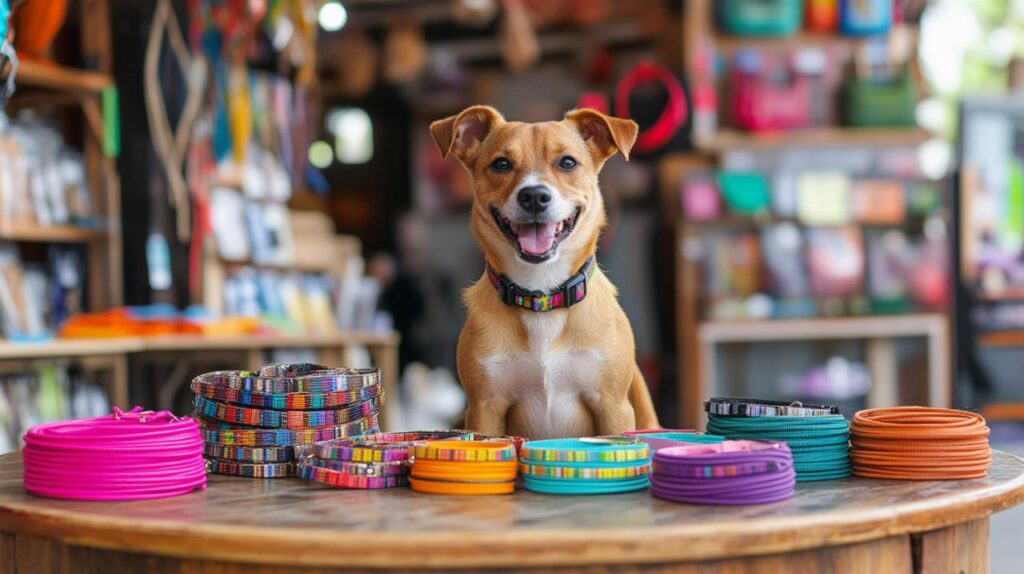
Selecting the appropriate collar for your beloved canine companion goes far beyond mere aesthetics. It is fundamentally a matter of safety, comfort, and ensuring your dog enjoys every moment of their daily adventures. A collar that fits well allows your pet to move freely without restriction, whilst one that is poorly sized can lead to discomfort or even injury. Understanding the various collar types available and mastering the art of measurement will empower you to make an informed choice that suits your dog's unique needs and lifestyle.
Different types of dog collars: which one suits your dog best?
Flat Collars, Martingale Collars, and Head Collars: Understanding the Differences
Flat collars are the most common and versatile option for dogs of all shapes and sizes. They typically feature a buckle or quick-release clasp and are designed to hold identification tags, making them an essential accessory for any dog owner. These collars are suitable for everyday wear and are available in a wide range of materials, including durable nylon, classic leather, and even waterproof options that stand up to the elements. For dogs that enjoy splashing through puddles or swimming, waterproof collars offer the added benefit of being easy to clean and resistant to odours.
Martingale collars, on the other hand, are specially designed for dogs that have a tendency to slip out of traditional flat collars. These collars tighten gently when the dog pulls, providing extra security without the harsh choking effect of a choke chain. They are particularly popular among owners of sighthounds and other breeds with slender necks. The design ensures that the collar remains snug but never overly restrictive, offering peace of mind during walks in busy areas.
Head collars work differently by gently guiding the dog's head, which in turn influences the direction of their body. This type of collar can be especially useful for larger dogs that pull on the lead, as it gives the handler greater control without causing discomfort. However, it is important to introduce head collars gradually, allowing your dog time to adjust to the sensation.
Specialty Collars for Training, Safety, and Style Considerations
Beyond the basic designs, there are specialty collars tailored to specific needs and circumstances. Training collars, such as those used for teaching dogs to walk calmly on the lead, come in various forms. Whilst some trainers advocate for Martingale collars or no-pull harnesses, it is widely recommended to avoid choke chains and prong collars, as these can cause injury and distress. Instead, focusing on positive reinforcement methods paired with a well-fitted collar or harness yields the best results.
Safety collars with reflective strips or built-in LED lights are invaluable for nighttime walks, ensuring that your dog remains visible to passing vehicles and pedestrians. These collars combine functionality with peace of mind, allowing you to explore your local park or neighbourhood safely after dusk.
For those who appreciate a touch of personalisation, custom engraving services are available on many collars, allowing you to add your dog's name and your contact details directly onto the collar itself. This eliminates the need for a separate ID tag and ensures that your dog's information is always accessible. Tweed collars offer a traditional and stylish appearance, whilst Biothane collars are celebrated for their waterproof properties and ease of maintenance. Rope collars, meanwhile, provide a softer feel against the dog's neck, making them a comfortable choice for daily wear.
The Proper Method for Measuring Your Dog's Neck and Selecting the Correct Collar Size
Step-by-step guide to accurately measuring your dog's neck circumference
Achieving the perfect fit begins with an accurate measurement of your dog's neck. To do this, you will need a soft, flexible measuring tape, the kind typically used in tailoring. If you do not have one to hand, a piece of string can serve as a substitute; simply measure the string against a ruler afterwards. Position the tape around the widest part of your dog's neck, which is often referred to as the C-Zone. This is the area where the collar will naturally rest, just below the jawline and above the shoulders.
It is crucial to ensure that the tape is snug but not tight. You should be able to slide two fingers comfortably between the tape and your dog's neck. This Two-Finger Rule is a reliable guideline for achieving a secure yet comfortable fit. For smaller dogs and puppies, the One-Finger Rule is more appropriate, as their necks are more delicate. Once you have noted the measurement, there is no need to add extra room, as most collar size charts already account for adjustability.
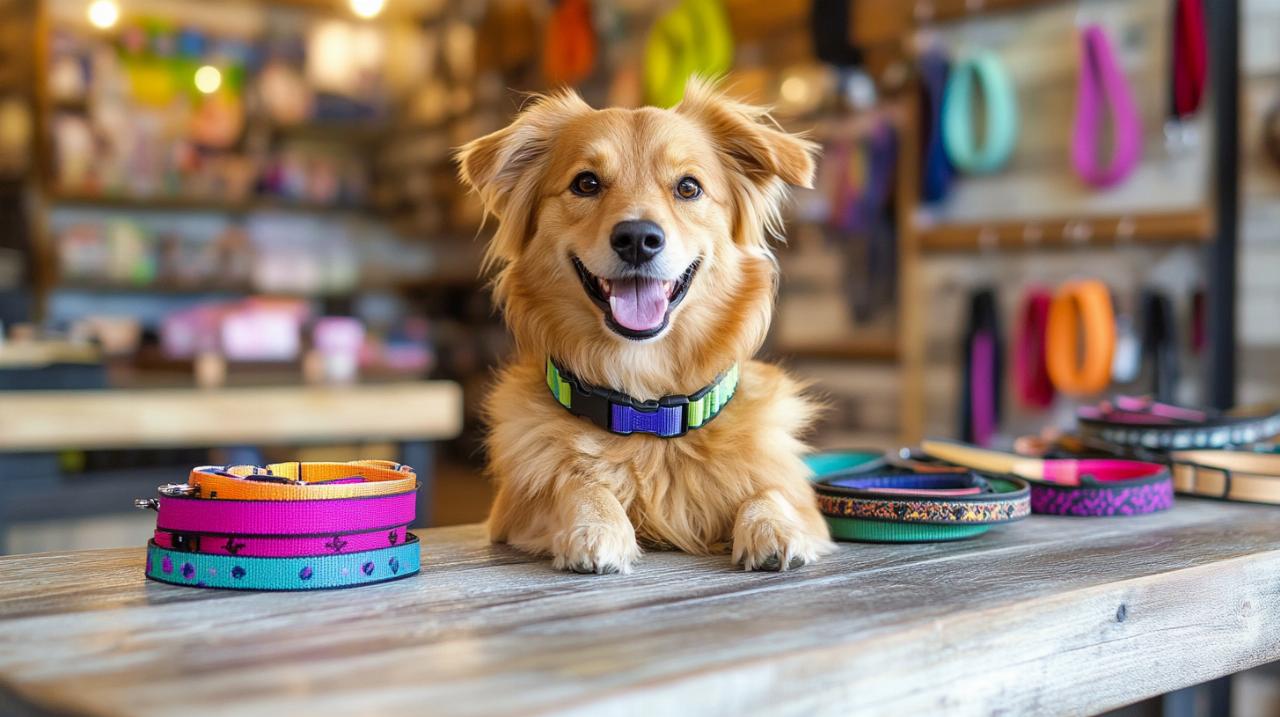
Using Size Charts and the Two-Finger Rule for a Comfortable, Secure Fit
After obtaining your dog's neck measurement, consult the size chart provided by the collar manufacturer. Each brand may have slight variations in sizing, so it is important to refer to the specific chart for the collar you are considering. Most collars offer a range of adjustability, and it is advisable to select a size where your dog's measurement falls in the middle of that range. This provides flexibility if your dog gains or loses weight, or if they have recently visited the groomer and their fur has been trimmed.
Once the collar is fitted, perform the Two-Finger Rule check once more. Slide two fingers between the collar and your dog's neck to confirm that the fit is neither too tight nor too loose. Signs of a poor fit include visible chafing, coughing when tension is applied to the lead, or the dog being able to slip out of the collar entirely. If your dog's measurement falls between two sizes, it is generally best to opt for the larger size and adjust accordingly.
Different collar designs may have specific sizing considerations. For instance, the Neo Classic Collar and the Double Up Collar are popular choices that offer reliable adjustability, whilst the Checkmate Collar provides additional security for dogs that are adept escape artists. Regularly checking the fit of your dog's collar is essential, as dogs can change in size over time due to growth, weight fluctuations, or seasonal changes in their coat.
Harnesses Versus Collars: When to Choose Alternative Options for Your Dog
Benefits of Harnesses for Smaller Breeds and Dogs That Pull on the Lead
Whilst collars are the traditional choice for most dog owners, harnesses offer a compelling alternative, particularly for smaller breeds and dogs that tend to pull on the lead. Harnesses distribute pressure more evenly across the dog's chest and back, rather than concentrating it on the neck. This can be significantly more comfortable and safer, especially for breeds prone to respiratory issues or tracheal damage. French Bulldogs, for example, often benefit from a harness due to their compact build and brachycephalic nature.
No-pull harnesses are specifically designed to discourage pulling by gently redirecting the dog's forward momentum. These harnesses often feature a front attachment point, which turns the dog towards the handler when they attempt to pull, making walks more manageable and enjoyable for both parties. For Labrador Retrievers and other energetic breeds, a well-fitted harness can transform the walking experience, allowing for greater control without compromising on comfort.
Regular Maintenance and Fit Checks to Ensure Your Dog's Comfort and Safety
Regardless of whether you choose a collar or a harness, regular maintenance and fit checks are essential to your dog's wellbeing. Inspect the collar or harness frequently for signs of wear and tear, such as fraying, cracking, or weakened stitching. Leather collars, whilst stylish and durable, require occasional conditioning to prevent drying and cracking. Nylon collars, on the other hand, are generally low maintenance and can be wiped clean with a damp cloth. Waterproof materials like Biothane are particularly easy to care for, as they resist moisture and odours, making them ideal for active dogs.
As your dog grows, changes weight, or undergoes grooming, their collar or harness may need to be adjusted or replaced. Puppies, in particular, will require several size changes during their first year. Larger breeds may also experience significant growth spurts, necessitating regular reassessment of their collar fit. Extra-wide collars are often recommended for larger breeds, as they distribute pressure more effectively and reduce the risk of chafing.
In the United Kingdom, it is a legal requirement for dogs to wear an ID tag when they are in public spaces. This tag should include your contact details and can be a lifesaver if your dog becomes lost. Personalised dog tags with custom engraving are widely available and can be attached to either collars or harnesses. Some owners prefer to have their dog's information engraved directly onto the collar, eliminating the need for a separate tag altogether.
Taking the time to choose the right collar or harness, measure accurately, and maintain the equipment properly will ensure that your dog remains comfortable, safe, and stylish on every outing. Whether you opt for a traditional Tweed collar, a modern Biothane design, or a functional harness, the key is to prioritise your dog's individual needs and preferences. With the right fit and regular care, your dog will be ready to enjoy countless adventures by your side.