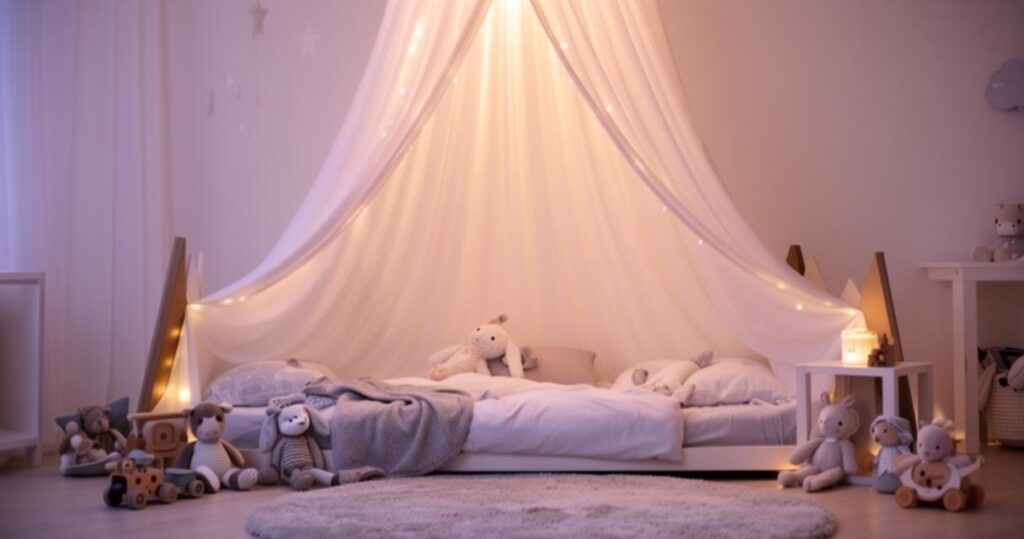
Creating a magical sleeping environment for your little ones doesn't require professional interior design expertise or a substantial budget. With a touch of creativity and some carefully selected materials, parents across the country are transforming ordinary bedrooms into enchanting retreats using tipi bed canopies. These charming additions not only elevate the visual appeal of a child's space but also contribute significantly to their emotional wellbeing and developmental growth through imaginative play and the establishment of personal boundaries within their own room.
- DIY tipi bed canopies are an affordable and creative way to transform a child's bedroom into an enchanting, personalized retreat.
- The canopy structure, typically made from wooden poles, serves as a central architectural feature that adds visual dimension to the room.
- Carefully choosing fabric colors and patterns, such as earthy tones or lightweight cotton, allows parents to influence the room's atmosphere and aesthetic.
- Incorporating natural materials like bamboo, jute, and linen enhances the tipi's authentic look while providing sensory stimulation for children.
- Tipi canopies act as transitional objects that provide a sense of psychological security, helping children navigate the transition to independent sleeping.
- By creating a 'room within a room,' the canopy helps establish personal boundaries and reduces bedtime anxiety by minimizing visual distractions.
- Beyond improving sleep, these structures foster imaginative play and give children a sense of ownership over their own private space.
Transforming your child's bedroom: creative tipi bed canopy designs
When embarking on a DIY tipi bed canopy project, the first consideration involves selecting a design that resonates with your child's personality whilst complementing the existing bedroom décor. The beauty of these installations lies in their versatility, allowing parents to customise every aspect from fabric selection to embellishment details. Some families opt for a minimalist approach using neutral tones and natural fibres, whilst others embrace vibrant patterns and playful accessories that spark joy and wonder. The structural framework typically consists of wooden poles or dowels arranged in a traditional tipi formation, creating a peaked canopy that extends gracefully over the bed. This architectural element instantly becomes a focal point in the room, drawing the eye upward and adding dimensional interest to what might otherwise be a standard sleeping area.
Choosing the Perfect Colour Palette: Pink, White, and Beyond
Colour selection plays a pivotal role in establishing the overall atmosphere of your child's sleeping sanctuary. Pink remains a perennially popular choice, offering various shades from soft blush to vibrant fuchsia that can suit different age groups and design preferences. White canopies provide a timeless elegance that works beautifully in both modern and traditional settings, creating an airy feeling that makes smaller rooms appear more spacious. However, creative parents needn't limit themselves to these conventional options. Earthy tones such as sage green, warm terracotta, or soft grey can introduce a calming influence conducive to restful sleep whilst maintaining visual interest. For those seeking something truly unique, consider incorporating subtle patterns like delicate stars, gentle geometric shapes, or hand-painted motifs that reflect your child's current interests. The fabric itself should be lightweight enough to drape gracefully yet substantial enough to maintain its shape, with cotton muslin and lightweight canvas emerging as favourite choices among DIY enthusiasts.
Incorporating Natural Materials for an Authentic Tipi Aesthetic
Authenticity in design often comes from thoughtful material selection that honours the traditional origins of tipi structures. Natural wooden poles create the essential framework, with many parents selecting bamboo for its sustainability and attractive grain patterns. These poles can be left in their natural state for a rustic appearance or painted to coordinate with the room's colour scheme. Rope or leather cord serves both functional and decorative purposes, binding the poles together at the apex whilst adding textural contrast against fabric elements. Some creative parents incorporate feathers, wooden beads, or macramé details as hanging embellishments, though care should be taken to ensure all decorative elements are securely attached and positioned safely away from sleeping areas. The integration of natural fibres extends beyond the structural components, with jute trim, cotton tassels, and linen backing fabrics all contributing to an organic aesthetic that feels both grounding and whimsical. This approach not only creates visual cohesion but also introduces children to different textures and materials, subtly enhancing their sensory development.
The Practical Benefits of Tipi Bed Canopies for Children's Development
Beyond their undeniable aesthetic appeal, tipi bed canopies offer substantial developmental advantages that justify their presence in children's bedrooms. These structures function as transitional objects that help youngsters navigate the sometimes challenging journey toward independent sleeping. The physical boundary created by the canopy provides a psychological sense of enclosure without the claustrophobic feeling that can accompany more solid structures. This delicate balance between openness and containment proves particularly beneficial for children who experience bedtime anxiety or who are transitioning from a cot to a larger bed. The canopy essentially creates a room within a room, a scaled-down environment that feels manageable and secure to a small child whilst remaining easily accessible to caregivers.
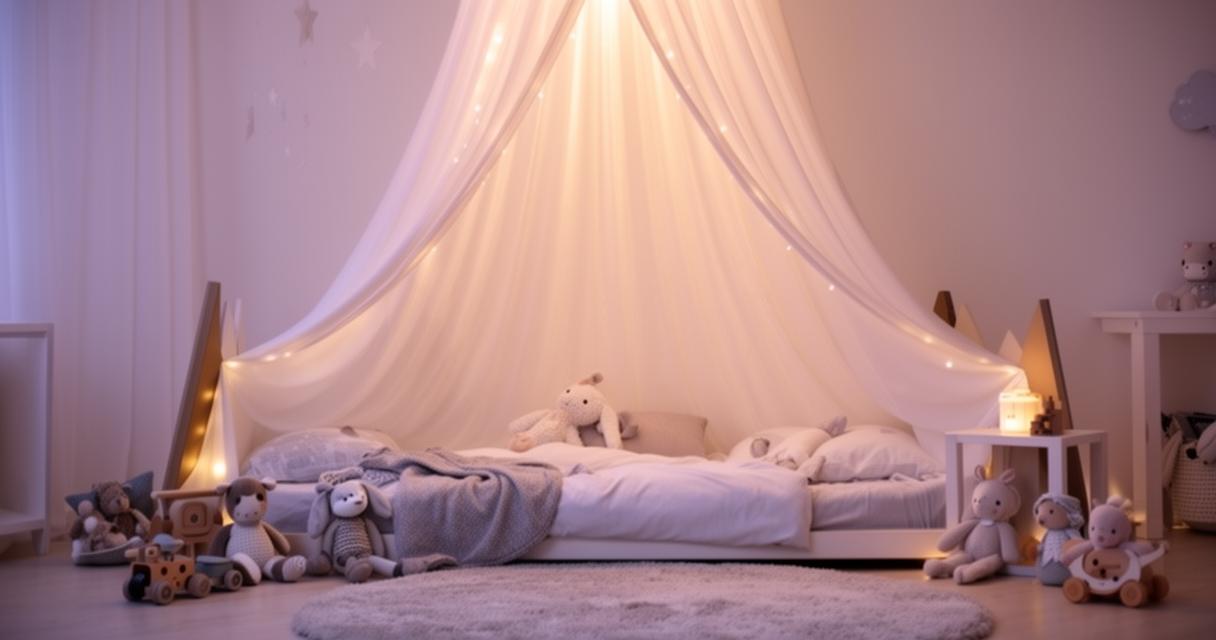
Creating a secure personal space that encourages restful sleep
The establishment of personal space represents a crucial milestone in child development, and a tipi bed canopy facilitates this process in a gentle, non-threatening manner. Children naturally seek out small, enclosed spaces where they feel protected and in control, which explains the universal appeal of dens, tents, and similar structures. A thoughtfully designed canopy taps into this instinct, transforming the bed into a special retreat that belongs exclusively to the child. This sense of ownership often translates into increased enthusiasm about bedtime routines and reduced resistance to settling down for sleep. The canopy also serves a practical purpose by creating a subtle visual barrier that helps minimise distractions from the wider room, allowing children to focus on the task of winding down. Some parents report that their children sleep more soundly after introducing a canopy, possibly because the enclosure provides a consistent visual environment that remains stable throughout the night, reducing disruptions from passing shadows or light changes.
Fostering imaginative play through whimsical bedroom decoration
The transformative power of imaginative play cannot be overstated in childhood development, and a tipi bed canopy serves as a remarkable catalyst for creative thinking. During waking hours, the structure morphs into whatever the child's imagination conjures, from a fairytale castle to a secret hideaway or an explorer's tent in distant lands. This flexibility encourages storytelling, role-play, and the development of narrative skills that form the foundation for literacy and emotional intelligence. Unlike electronic entertainment that presents predetermined scenarios, a simple fabric canopy provides an open-ended prompt that children can interpret and reimagine countless times. Parents often observe that the presence of such a feature encourages quieter, more focused play as children become absorbed in their imaginary worlds. This type of sustained, self-directed activity builds concentration skills and emotional regulation, teaching children to entertain themselves independently whilst feeling secure in their designated space.
Shopping Smart: Where to Find Quality Materials and Best Deals
Embarking on a DIY tipi bed canopy project requires sourcing various materials, and savvy parents know that strategic shopping can significantly impact both the final cost and the quality of the finished product. The contemporary marketplace offers numerous options ranging from traditional brick-and-mortar craft shops to online retailers and specialist fabric suppliers. Each venue presents distinct advantages depending on your specific needs, timeline, and budget constraints. Physical stores allow for tactile inspection of fabrics and materials, ensuring that texture and weight meet your expectations before purchase. Meanwhile, online platforms often provide broader selection and competitive pricing, though they require patience for delivery and occasionally involve returns if materials don't match expectations.
Comparing prices across different stores for value-conscious parents
Price comparison represents an essential step in budget-conscious project planning, particularly given the variability in costs across different retailers. Fabric stores frequently offer seasonal sales and clearance sections where quality materials can be obtained at substantial discounts. Chain craft retailers typically provide regular vouchers and loyalty programmes that yield savings on individual purchases. Online marketplaces present another avenue for cost-effective sourcing, with many sellers offering remnant fabrics perfectly sized for canopy projects at reduced prices. When evaluating options, remember to factor in additional costs beyond the base price, including delivery charges, potential customs fees for international orders, and any necessary tools or hardware not already in your possession. Some parents find that joining online crafting communities or local Facebook groups provides access to second-hand materials or bulk-buying opportunities that further reduce expenses. Creating a comprehensive shopping list before beginning your search helps prevent impulse purchases and ensures you acquire everything needed in a single ordering session, minimising delivery costs.
Secure Payment Methods and Reliable Delivery Services to Consider
When purchasing materials online, transaction security and delivery reliability become paramount considerations for responsible shoppers. Reputable retailers offer multiple secure payment options including credit cards, PayPal, and other established digital payment platforms that provide buyer protection. Before completing any purchase, verify that the website displays security certificates and uses encrypted connections for financial transactions. Reading customer reviews provides valuable insight into a retailer's reliability regarding both product quality and delivery performance. Established carriers with tracking capabilities offer peace of mind, allowing you to monitor your parcel's progress and anticipate its arrival. Some platforms provide delivery guarantees or compensation policies for delayed shipments, which can prove particularly valuable when working to a specific project deadline. For higher-value orders, consider retailers offering returns policies that accommodate items not meeting expectations, ensuring you're not financially committed to unsuitable materials. Taking these precautions transforms online shopping from a potential source of anxiety into a convenient, efficient method for gathering everything needed to create a beautiful tipi bed canopy that will delight your child for years to come.