The fashion landscape has undergone a remarkable transformation in recent years, with sustainability emerging as a defining force shaping consumer preferences and industry practices. As digital platforms continue to redefine how we discover and purchase clothing and accessories, a growing segment of shoppers is turning their attention towards products that marry style with environmental responsibility. This shift represents more than a passing fad; it reflects a fundamental change in values, where the origin of materials, the ethics of production, and the longevity of design have become as important as aesthetics themselves.
The digital revolution transforming sustainable fashion
The internet has fundamentally altered the way consumers engage with online fashion trends, creating unprecedented access to brands that prioritise environmental stewardship. E-commerce platforms have become vital showcases for artisans and companies dedicated to sustainable practices, allowing them to reach audiences far beyond their local communities. This digital marketplace has proven particularly beneficial for smaller operations that focus on quality over quantity, enabling them to share their stories of craftsmanship and ethical production with discerning shoppers worldwide. The ability to communicate directly with consumers through these platforms has fostered a new level of transparency, where details about sourcing, tanning processes, and environmental impact are readily available at the click of a button.
How e-commerce platforms champion eco-friendly leather goods
Online retailers have embraced the challenge of making sustainable leather accessible to a broader audience by offering features that enhance the shopping experience whilst reducing environmental impact. Many platforms now provide express international delivery with taxes included, ensuring that customers across different regions can access these thoughtfully crafted products without bureaucratic complications. Free delivery thresholds, often set at amounts such as one hundred and fifty pounds, encourage consolidated purchasing that reduces the carbon footprint associated with multiple shipments. Some innovative services, such as click and collect options pioneered by major department stores, have demonstrated measurable environmental benefits, with certain programmes saving several tonnes of carbon emissions annually. These logistical innovations complement the sustainability ethos of the products themselves, creating a holistic approach to responsible retail.
Social media's influence on conscious consumer choices
Digital platforms beyond traditional e-commerce sites have played an equally crucial role in elevating sustainable leather accessories within the fashion conversation. Social media channels have become powerful tools for education and inspiration, where brands can showcase the intricate processes behind vegetable-tanned leather and the beauty of traceable hides. Consumers increasingly seek authenticity in their purchases, and platforms that allow visual storytelling enable producers to demonstrate their commitment to avoiding heavy metals in production and recycling substantial portions of their process water. This transparency has cultivated communities of conscious shoppers who share recommendations and celebrate brands that align with their values. The dialogue fostered through these channels has accelerated consumer demand for products that reflect environmental awareness, creating a virtuous cycle that encourages more producers to adopt sustainable practices.
Understanding the Appeal of Environmentally Responsible Leather Accessories
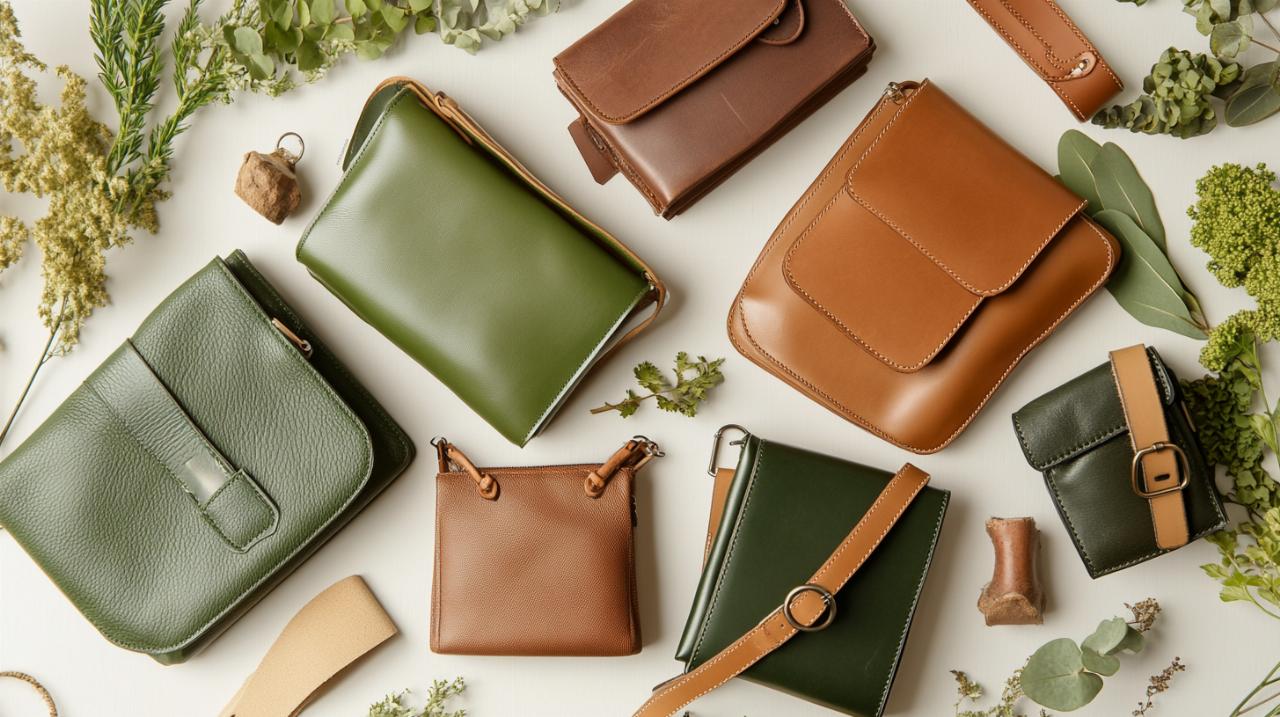
The growing interest in sustainable leather goods stems from a complex interplay of quality, ethics, and long-term value. Modern consumers are increasingly aware that the fashion industry contributes a significant portion of greenhouse gas emissions, with projections suggesting this percentage could rise substantially within the coming years unless meaningful changes are implemented. This awareness has prompted many shoppers to reconsider their purchasing habits, favouring items that promise durability and minimal environmental harm over fast fashion alternatives. Sustainable leather accessories, particularly those made from British hides such as goat and deer skins, offer a compelling alternative that addresses both aesthetic desires and ethical concerns. The appeal extends beyond environmental considerations to encompass support for industries that employ hundreds of millions of people worldwide, recognising that sustainable practices can protect livelihoods whilst preserving natural resources.
Quality craftsmanship meets ethical production standards
The renaissance of interest in sustainable leather has brought renewed attention to traditional techniques and small-batch production methods that prioritise excellence over efficiency. Micro-tanneries have emerged as champions of this movement, combining time-honoured skills with modern environmental standards. These operations typically employ vegetable-tanning processes that eschew the harmful chemicals associated with conventional leather production, instead using natural materials that result in products with distinctive character and longevity. Recognition from heritage organisations and environmental awards validates the significance of these efforts, highlighting how craftsmanship and sustainability can coexist harmoniously. Beyond standard products, many of these artisans offer bespoke services, creating custom items such as leather menus, aprons, coasters, and placemats that cater to both individual and commercial clients seeking unique, environmentally sound solutions.
The modern consumer's shift towards sustainable luxury
Market forecasts indicate substantial growth in the sustainable fashion sector over the coming decade, with valuations expected to more than double as regulatory compliance, buyer commitment, and consumer preferences converge to reshape the industry. This expansion reflects a broader cultural shift where luxury is increasingly defined not merely by price or prestige but by the integrity of production methods and the positive impact on communities and environments. Shoppers are willing to invest in accessories that tell a story of responsible sourcing and ethical manufacture, viewing these purchases as contributions to a more sustainable future rather than mere transactions. The availability of free returns and transparent communication about materials and processes further empowers consumers to make informed decisions aligned with their values. This evolution suggests that sustainability has moved from niche concern to mainstream expectation, fundamentally altering brand management and retail optimisation strategies across the fashion landscape. As awareness continues to spread through digital channels and demonstrable environmental achievements become marketing assets, the trajectory towards sustainable leather accessories appears not only inevitable but essential for the industry's long-term viability.