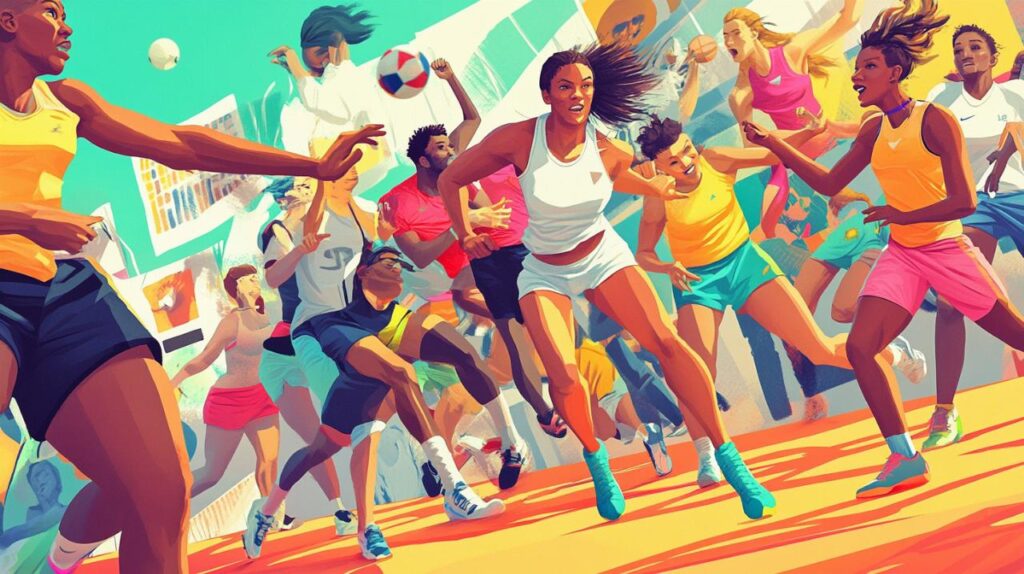
In an era where digital platforms dominate the conversation around social change, it's worth pausing to consider the enduring influence of traditional media. The realm of sport has long been a mirror reflecting broader societal values, and the push for gender equality within this sphere has gained remarkable momentum. Yet, as we champion progress, we must acknowledge the various channels through which these messages are disseminated. Among them, printed materials continue to hold a unique and powerful position, reaching audiences in ways that digital screens sometimes cannot. From glossy magazines to striking posters, these tangible creations have the capacity to inspire, educate, and challenge perceptions in communities across London and the wider United Kingdom.
The Power of Magazines and Posters in Championing Gender Equality
The printed page has always possessed a certain gravitas, a sense of permanence that digital content often lacks. In the context of sport, magazines and posters serve as vital instruments for amplifying the achievements of female athletes and advocating for equitable opportunities. These print products now occupy a critical space in the broader conversation about fairness and representation. They are not merely decorative or informative; they are catalysts for change, capable of shifting public opinion and inspiring action. The tactile nature of flipping through a magazine or admiring a poster on a wall creates a personal connection, one that can linger long after the initial encounter.
How sports magazines shift the narrative around female athletes
For decades, sports magazines have been instrumental in shaping how the public perceives athletes. Traditionally, these publications focused overwhelmingly on men's sports, relegating women's achievements to brief mentions or occasional features. However, a growing number of contemporary magazines have embraced a more balanced approach, dedicating entire issues to women's football, rugby, cricket, and other disciplines. By placing female athletes on the cover and crafting in-depth profiles, these magazines challenge the outdated notion that women's sports are of secondary importance. They highlight the skill, dedication, and resilience of athletes who have often had to overcome systemic barriers to reach the pinnacle of their respective fields. In doing so, they provide role models for young girls who might otherwise assume that sporting excellence is a male domain.
Moreover, the editorial choices made by these publications matter immensely. By treating women's sports with the same seriousness and analytical depth afforded to men's, magazines signal to readers that gender should not determine the value or interest of athletic competition. Features that delve into training regimens, strategic insights, and personal stories humanise female athletes, allowing audiences to appreciate the full scope of their talent. This shift in narrative is not incidental; it is a deliberate effort to promote sport inclusivity and to advocate for a model that is both fair and representative. The impact is tangible, as readers who may have previously overlooked women's sports begin to recognise the richness and excitement these disciplines offer.
The Visual Impact of Posters in Celebrating Women in Sport
While magazines offer the luxury of extended storytelling, posters operate on a different wavelength. They are immediate, bold, and unapologetically visual. A well-designed poster can capture the dynamism of a sprinter mid-stride or the triumphant joy of a footballer celebrating a goal, freezing these moments in time and presenting them to the world. In schools, community centres, and public spaces across London and beyond, posters serve as constant reminders of the achievements of women in sport. They celebrate victories, commemorate milestones, and, crucially, normalise the presence of female athletes in the public consciousness.
The accessibility of posters makes them particularly effective tools for reaching diverse audiences. Unlike digital content, which requires devices and internet access, a poster on a community noticeboard or a school hallway is available to anyone who passes by. This democratisation of information ensures that messages about gender equality and the importance of equal opportunities reach individuals who might not engage with traditional media. Furthermore, the visual nature of posters transcends language barriers, making them ideal for multicultural communities where English may not be the first language for all residents. A striking image of a female athlete in action needs no translation; it speaks directly to the viewer's sense of admiration and possibility.
Challenging gender stereotypes through printed media
Printed media has long been a battleground for competing narratives about gender, and the sporting world is no exception. For too long, stereotypes have dictated what is considered appropriate or successful for women in sports. These outdated perceptions suggest that women are less capable, less competitive, or less deserving of attention and resources. However, progressive print campaigns are actively dismantling these myths, offering new frameworks for understanding athletic achievement and redefining what it means to succeed in sport.
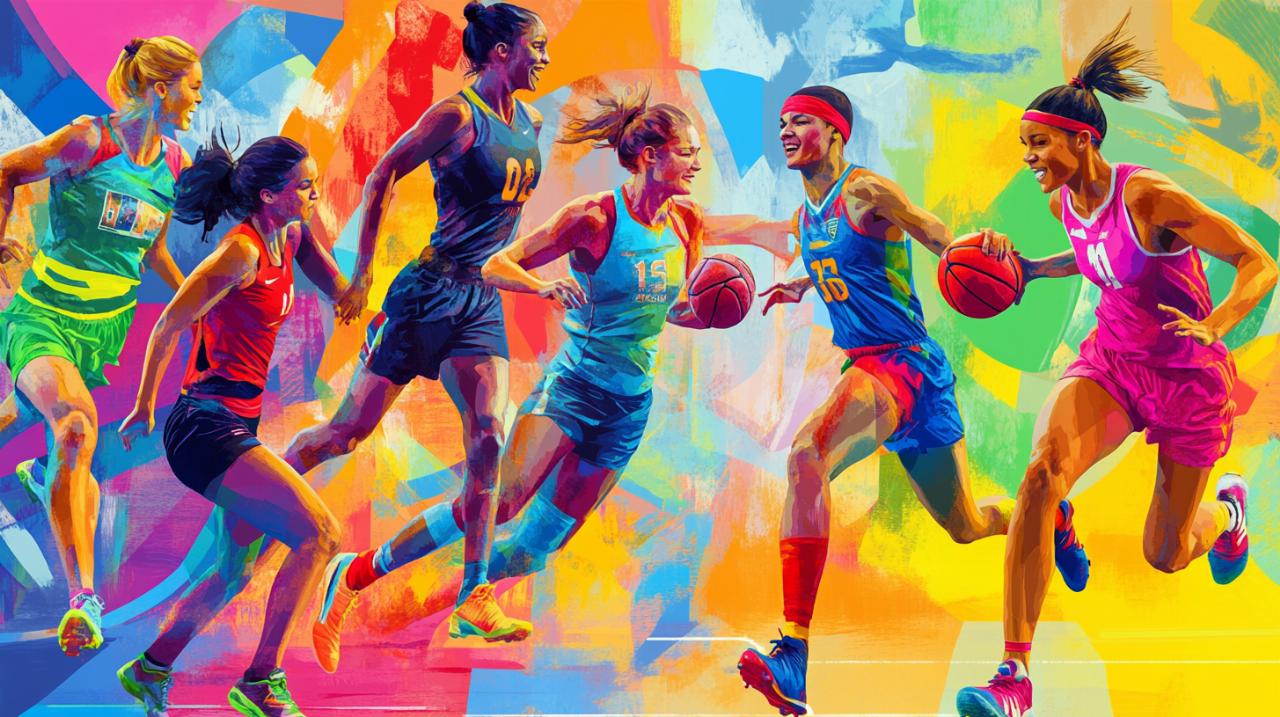
Breaking down barriers: print's role in redefining sporting success
One of the most insidious barriers to gender equality in sports is the narrow definition of success that has historically prevailed. Success has often been measured in terms of viewership numbers, sponsorship deals, and media coverage, all of which have disproportionately favoured men's sports. Printed media has the power to challenge this hierarchy by highlighting alternative metrics of achievement. For instance, features that focus on the personal growth of athletes, the development of grassroots programmes, or the social impact of sporting initiatives broaden the conversation beyond mere commercial success. By showcasing these dimensions, print products encourage readers to appreciate the multifaceted nature of sporting excellence.
In addition, printed campaigns that celebrate the diversity of women's sports play a crucial role in breaking down barriers. Not all female athletes compete in traditionally feminine sports; many excel in disciplines once deemed unsuitable for women, such as boxing, weightlifting, and martial arts. By profiling these athletes and their journeys, magazines and posters challenge preconceived notions about what women can and should do. They also provide visibility for athletes who might otherwise be marginalised, creating a more inclusive sporting landscape. This approach aligns with broader efforts in research and development aimed at understanding how media representation influences public attitudes and behaviours. Insights from such research inform the creation of more effective campaigns that resonate with audiences and drive meaningful change.
Confronting outdated perceptions with progressive print campaigns
Progressive print campaigns do more than celebrate achievements; they actively confront and dismantle outdated perceptions. This involves not only highlighting the accomplishments of female athletes but also addressing the systemic issues that perpetuate inequality. Campaigns that feature interviews with athletes discussing pay disparities, lack of media coverage, or inadequate facilities bring these issues into the public domain, fostering awareness and prompting calls for reform. By presenting these challenges alongside stories of triumph, print media offers a balanced and honest portrayal of the state of women's sports.
Furthermore, collaboration between public and private sectors has proven instrumental in advancing these campaigns. Much like the successful public-private collaboration seen in regions such as Rhône-Alpes in advancing research and development, partnerships between sports organisations, media outlets, and corporate sponsors can amplify the reach and impact of print initiatives. Sponsors who commit to supporting women's sports through advertising in magazines or funding poster campaigns demonstrate their commitment to gender equality, lending credibility and resources to the cause. This synergy between different stakeholders creates a robust ecosystem that sustains and accelerates progress.
Interestingly, the ethos of equitable societies is mirrored in the work of social enterprises and foundations within the third sector, which often champion causes related to fairness and inclusion. These organisations recognise the transformative power of media and frequently collaborate on print campaigns that promote not only gender equality in sports but also broader social justice initiatives. By aligning their missions with progressive print projects, they help ensure that the messages reach the widest possible audience, from bustling urban centres like London to quieter rural communities.
The influence of print extends beyond immediate awareness; it shapes cultural attitudes over time. When young people see posters of successful female athletes in their schools or read magazine profiles of women who have broken records and defied expectations, they internalise a new set of possibilities. They begin to envision themselves in those roles, whether as future athletes, coaches, or advocates for equality. This long-term impact is difficult to quantify but undeniably significant. It contributes to a gradual but profound shift in how society values and supports women in sport, laying the groundwork for future generations to enjoy greater opportunities and recognition.
In conclusion, the role of print products in promoting gender equality in sports is both substantial and multifaceted. Magazines and posters offer unique advantages in terms of accessibility, permanence, and emotional resonance. They challenge stereotypes, celebrate achievements, and inspire action, all while reaching diverse audiences across the United Kingdom. As we continue to strive for a more inclusive and equitable sporting landscape, it is essential to recognise and harness the enduring power of printed media. By doing so, we honour the achievements of female athletes, confront the barriers that still exist, and pave the way for a future where success in sport is defined not by gender but by talent, dedication, and passion.