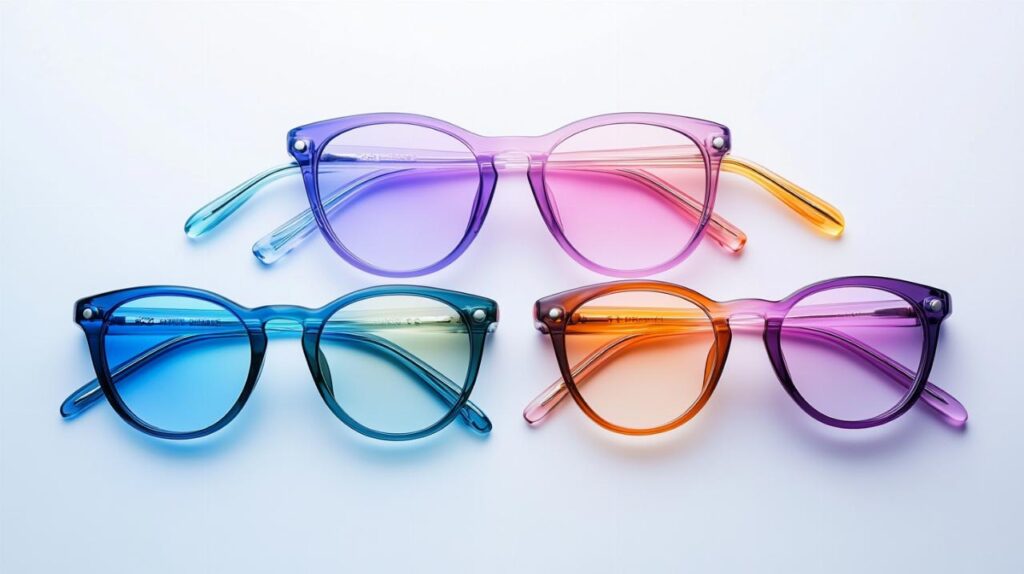
Finding the perfect pair of sunglasses that seamlessly adapt to shifting light conditions can feel like a never-ending quest, especially when you're constantly moving between indoor spaces, shaded paths, and brilliant sunshine. Photochromic lenses offer an elegant solution to this challenge, transforming automatically as UV exposure changes and eliminating the need to carry multiple pairs or constantly swap lenses. Whether you're cycling through countryside lanes, tackling mountain trails, or simply navigating daily life, adaptive eyewear provides a practical edge that traditional fixed-tint lenses simply cannot match.
Understanding photochromic lens technology and why it matters
How adaptive lenses respond to uv exposure
At the heart of every photochromic lens lies a clever chemical reaction triggered by ultraviolet light. When UV rays strike the lens surface, molecules embedded within the material undergo a transformation that causes the lens to darken, effectively reducing the amount of visible light transmission. Once you step back into shade or indoors where UV exposure diminishes, these molecules revert to their original state, allowing the lens to lighten again. The speed and extent of this transition can vary depending on the specific technology employed by the manufacturer, with some lenses darkening rapidly in seconds whilst others take a bit longer to reach their optimal tint. This adaptive response ensures that your eyes receive appropriate protection regardless of whether you're riding under a blazing sun or navigating a tunnel, all without requiring manual intervention.
The Practical Benefits for Daily Wear and Outdoor Activities
For cyclists and outdoor enthusiasts, the advantages of photochromic lens technology extend far beyond mere convenience. Traditional sunglasses with fixed tints can leave you squinting in bright conditions or struggling to see clearly when clouds roll in, but adaptive lenses adjust on the fly to maintain optimal clarity. This capability becomes especially valuable during long rides where light conditions fluctuate constantly, such as when weaving through wooded sections or climbing from valley floors to sun-drenched ridges. Beyond visual comfort, these lenses also provide consistent UV protection, shielding your eyes from harmful rays that can cause long-term damage. The ability to wear a single pair of glasses throughout the day eliminates the hassle of carrying spares, making photochromic eyewear a practical choice for those who value both performance and simplicity.
Our top four photochromic eyewear picks for 2024
Performance comparison: transition speed and clarity
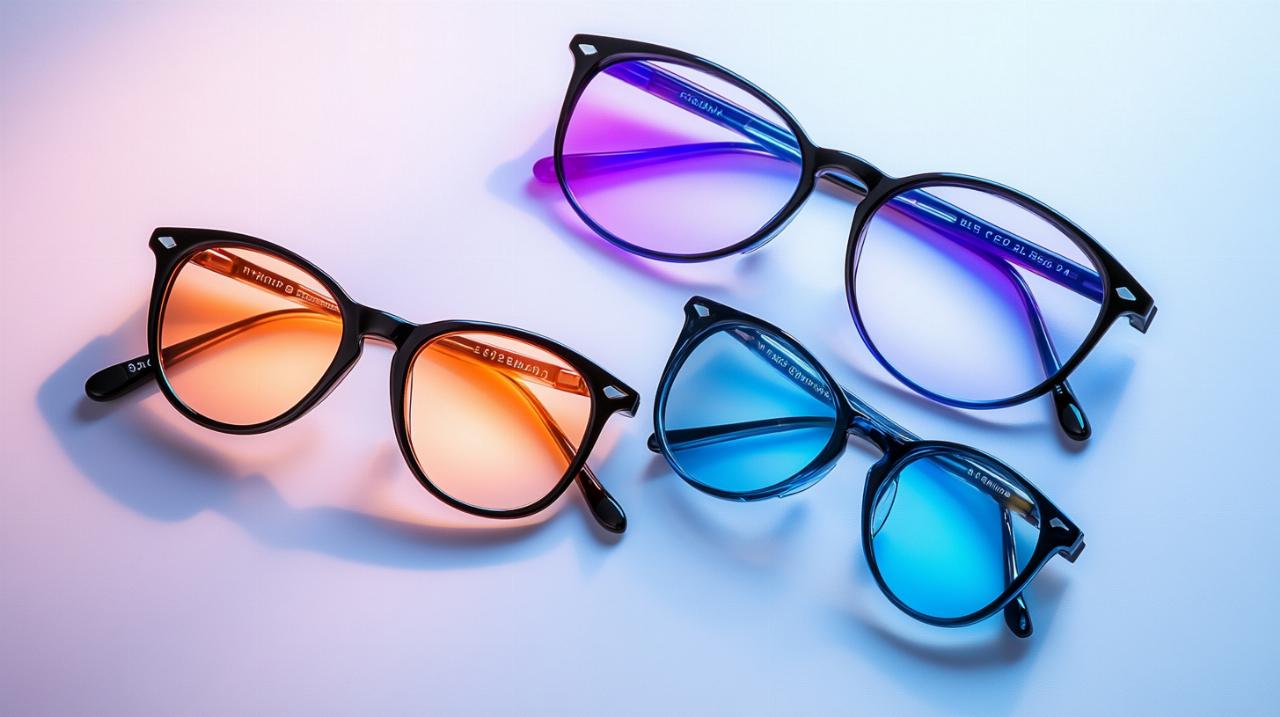
When evaluating the best cycling sunglasses equipped with adaptive technology, transition speed and lens quality emerge as the most critical factors. The Smith Wildcat stands out as a top performer for MTB sunglasses, earning a solid score thanks to its photochromic lens that responds effectively to varying light conditions. Priced around two hundred and seventy-seven pounds, this model combines robust optics performance with a design that handles both bright sunshine and shaded trails with ease. For those focused on road cycling, the Roka SR-1X offers a secure fit and reliable photochromic lens at approximately one hundred and fifty pounds, making it an excellent choice for riders who demand stability and clarity during high-speed descents. Meanwhile, the Tifosi Moab delivers impressive value, providing an affordable photochromic lens at around ninety pounds without sacrificing essential features such as UV protection and anti-scratch coating. Finally, for budget-conscious cyclists seeking maximum coverage and protection, the Blenders Eclipse offers a compelling option at just sixty-nine pounds, proving that effective eyewear need not break the bank.
Style, durability and value considerations
Beyond technical specifications, the overall design and construction quality of photochromic eyewear play a significant role in long-term satisfaction. Frame quality directly impacts durability, with premium models often featuring lightweight materials and adjustable components that enhance fit and comfort. The Smith Wildcat, for instance, combines sturdy construction with a stylish appearance, making it suitable for both trail riding and casual wear. The Roka SR-1X emphasises secure fit and comfort, ensuring that the glasses remain in place even during intense efforts or rough terrain. The Tifosi Moab strikes a balance between affordability and resilience, offering a frameless design that minimises weight whilst maintaining structural integrity. Meanwhile, the Blenders Eclipse provides solid coverage and protection at an accessible price point, making it an ideal entry-level option for those new to cycling or looking for a reliable backup pair. Each of these models demonstrates that effective multisport eyewear can cater to different budgets without compromising on essential features such as wind protection, clarity, and durability.
Alternative options and what sets them apart
Competing brands worth your attention
Whilst the top four selections cover a broad range of needs and budgets, several competing brands offer unique features that may appeal to specific preferences. The Shimano Technium Ridescape OR, for example, delivers stellar optics performance and is reasonably priced at around one hundred and ten pounds, making it an excellent alternative for mountain bikers seeking high-quality lenses without venturing into premium territory. For those prioritising fog management, the 100% S2 incorporates a breathable design that minimises condensation, a critical feature for riders in humid or variable conditions. The Julbo Edge REACTIV stands out as a lightweight and versatile option suitable for multiple sports, priced at approximately two hundred and sixty-five pounds, offering adaptive technology that transitions smoothly across different environments. Additionally, the SunGod Airas BF with Iris Photochromic lens, costing around two hundred pounds, provides a stylish and functional choice for cyclists who value both aesthetics and performance. Each of these alternatives brings distinct advantages, whether through superior breathability, exceptional optics, or innovative adjustable frames.
Making the Right Choice for Your Lifestyle and Budget
Selecting the ideal pair of photochromic cycling glasses ultimately depends on your specific needs, riding style, and financial considerations. If you frequently ride in varied terrain and changing light conditions, investing in a higher-end model such as the Smith Wildcat or Julbo Edge REACTIV can provide the performance and versatility required for all-day comfort and protection. Road cyclists who prioritise a secure fit and reliable lens quality may find the Roka SR-1X to be the perfect match, offering excellent value for money without compromising on essential features. Budget-conscious riders need not feel left out, as options like the Tifosi Moab and Blenders Eclipse demonstrate that affordable photochromic eyewear can still deliver solid UV protection, clarity, and durability. When making your decision, consider factors such as fit and comfort, lens tints, and the presence of protective coatings like anti-fog and anti-scratch treatments. By aligning your choice with your riding habits and environmental conditions, you can enjoy the freedom of adaptive lenses that adjust seamlessly to every twist and turn of the road or trail.