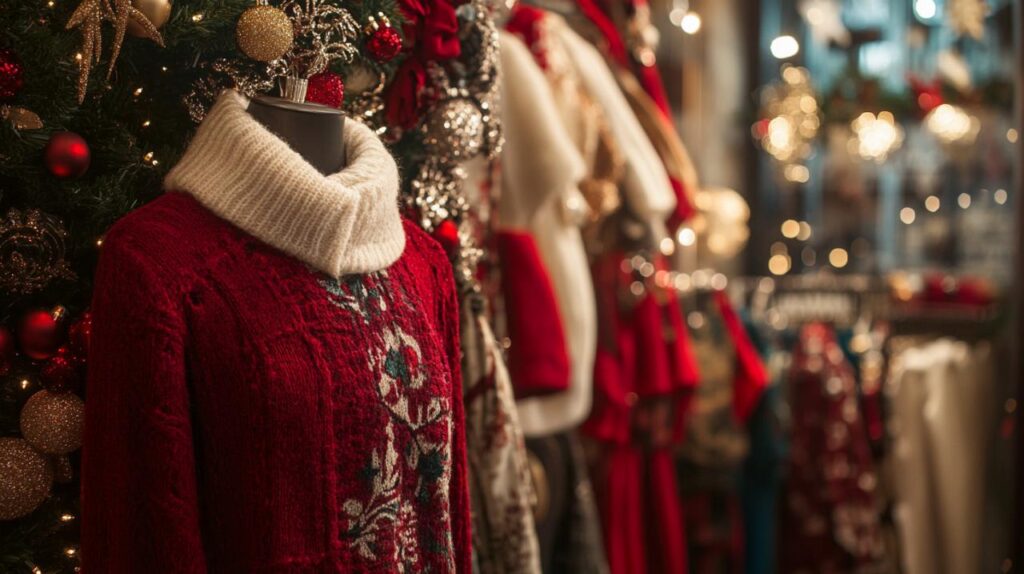
The fashion industry stands at a crossroads, with consumers and policymakers increasingly questioning the environmental and ethical implications of our clothing choices. As global awareness rises, particularly in cities like London where fashion culture thrives, the stark differences between fast and slow fashion become ever more apparent. This contrast is not merely about aesthetics or price points but fundamentally about the future of our planet and the welfare of those who create our garments.
The environmental toll of fast fashion
Fast fashion emerged as a dominant business model in the fashion industry during the 1990s, when brands like Zara pioneered the concept of taking designs from the drawing board to shop floors in a mere fifteen days. This accelerated cycle of production and consumption has since been adopted by major retailers including Shein, UNIQLO, and H&M, creating a culture of disposable clothing that prioritises quantity and trend-chasing over durability and timeless design. The consequences of this approach have proven catastrophic for the environment, contributing significantly to carbon emissions, resource depletion, and pollution on a global scale.
Resource Depletion and Water Consumption in Rapid Production
The manufacturing processes behind fast fashion demand enormous quantities of natural resources, particularly water. A single cotton shirt requires approximately seven hundred gallons of water to produce, whilst a pair of jeans consumes around two thousand gallons. These staggering figures represent not only the water embedded in growing cotton but also the substantial amounts used in dyeing processes and finishing treatments. Textile dyeing alone stands as the second-largest polluter of water worldwide, releasing harmful chemicals into rivers and waterways that serve communities throughout developing countries. The fashion industry as a whole is responsible for ten per cent of global carbon emissions, matching the entire output of the European Union. This environmental burden extends beyond greenhouse gases to include water pollution that devastates local ecosystems and threatens the health of populations living near textile production facilities. For those seeking to understand the broader implications of consumer choices, one might visit isodirect.es to explore how individual decisions ripple through global supply chains.
Textile Waste and Landfill Accumulation from Disposable Trends
The culture of rapid fashion consumption has created a waste crisis of unprecedented proportions. Worldwide, consumers purchase approximately eighty billion new garments annually, representing a four hundred per cent increase compared to two decades ago. This surge in clothing consumption inevitably leads to mountains of discarded textiles, with eighty-five per cent of all textiles ending up in landfills each year. The average American alone discards eighty-two pounds of textiles annually, much of which could potentially be recycled or repurposed. Beyond the visible waste in landfills, the fashion industry contributes to ocean pollution through the release of microfibres during washing. Synthetic textiles shed approximately five hundred thousand tonnes of microfibres into marine environments each year, with thirty-five per cent of all microplastics found in oceans originating from washing synthetic garments. These tiny particles enter the food chain, affecting marine life and ultimately human health. The industry's pollution drivers are concentrated in specific stages of textile production, with dyeing and finishing accounting for thirty-six per cent of emissions, yarn preparation contributing twenty-eight per cent, and fibre production responsible for fifteen per cent. Projections suggest that textile emissions will increase by sixty per cent by 2030 if current practices continue unchecked.
Slow Fashion as a Sustainable Alternative
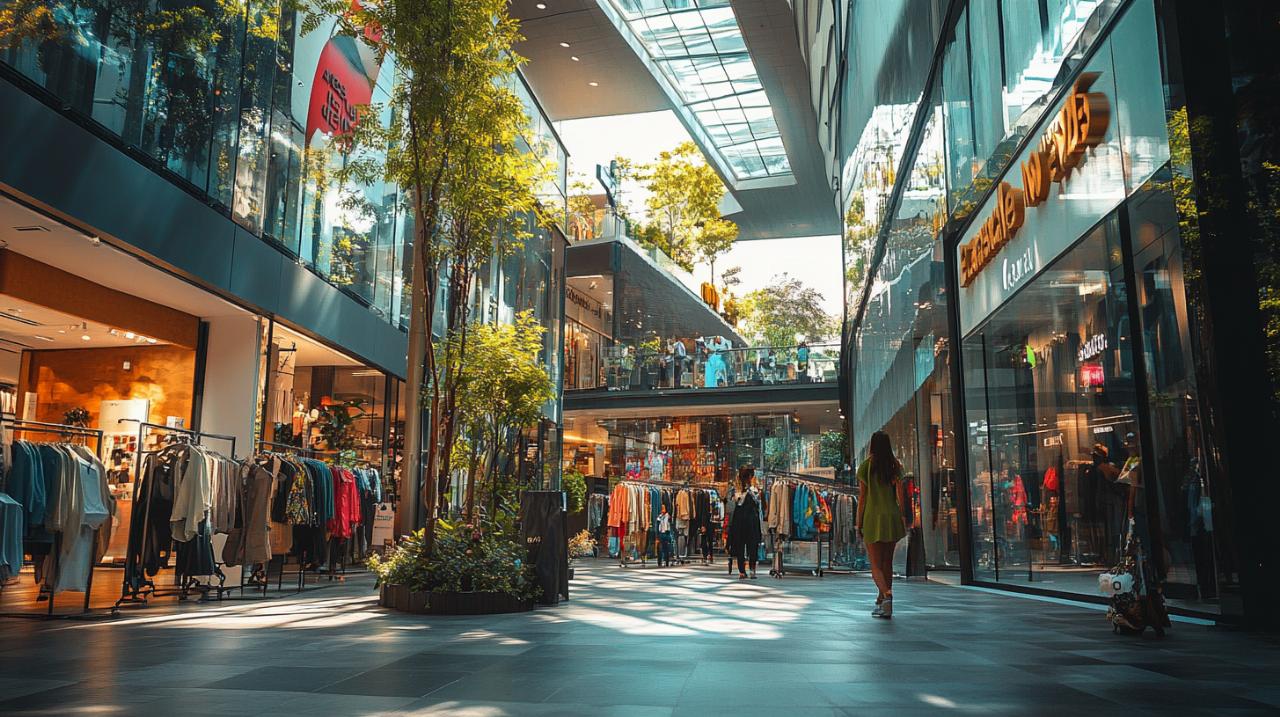
In response to the mounting environmental and social costs of fast fashion, a counter-movement has emerged that prioritises sustainability, ethical manufacturing, and responsible consumption. Slow fashion represents a fundamental shift in how we approach clothing, challenging the disposable mindset that has dominated recent decades. This movement advocates for transparency throughout the garment industry, fair labour practices, and the use of sustainable materials that minimise environmental harm. Major fashion brands are beginning to respond to consumer demand for change, with companies like Ralph Lauren committing to using one hundred per cent sustainable materials by 2025. International organisations have also taken notice, with the United Nations launching an Alliance for Sustainable Fashion to combat harmful practices across the industry.
Quality over quantity: the longevity approach to clothing
At the heart of slow fashion lies a simple yet revolutionary principle: producing fewer garments of higher quality that last significantly longer than their fast fashion counterparts. This approach directly challenges the throwaway culture that has become normalised, encouraging consumers to invest in well-made pieces that transcend seasonal trends. The longevity approach reduces the constant demand for new textile production, thereby decreasing resource depletion, carbon emissions, and waste generation. Alternative consumption models are gaining traction as part of this movement, with secondhand clothing platforms like ThredUp and Poshmark experiencing substantial growth. Clothes rental services such as Rent the Runway and Girl Meets Dress offer consumers access to fashionable garments without the commitment of ownership, promoting a circular economy within the fashion sector. These innovations demonstrate that style and sustainability need not be mutually exclusive, providing practical pathways for consumers to reduce their environmental footprint whilst maintaining their personal aesthetic preferences.
Ethical Production and Fair Labour Practices in the Fashion Industry
Beyond environmental considerations, slow fashion addresses the troubling social dimensions of garment production. Approximately eighty per cent of clothing worldwide is manufactured by young women aged eighteen to twenty-four, often working in conditions that fail to meet basic safety standards. The garment industry has a documented history of labour exploitation, with evidence of forced labour and child labour appearing in supply chains across multiple countries. The tragic collapse of a factory in Bangladesh in 2013, which killed one thousand one hundred and thirty-four workers and injured two thousand five hundred, stands as a stark reminder of the human cost of cheap clothing. The global fashion industry employs one in six people worldwide, yet many of these workers labour in developing countries where garment production benefits from cheap labour, tax breaks, and relaxed regulatory enforcement. Slow fashion advocates for transparent supply chains, fair wages, and safe working conditions, recognising that true sustainability must encompass social justice alongside environmental protection. Some national governments are taking legislative action to address these issues, with France establishing a pact involving one hundred and fifty brands committed to making the fashion industry more sustainable. Ultimately, reducing overall consumption remains the most effective strategy for minimising both environmental damage and labour exploitation, encouraging consumers to purchase fewer items of better quality produced under ethical conditions.