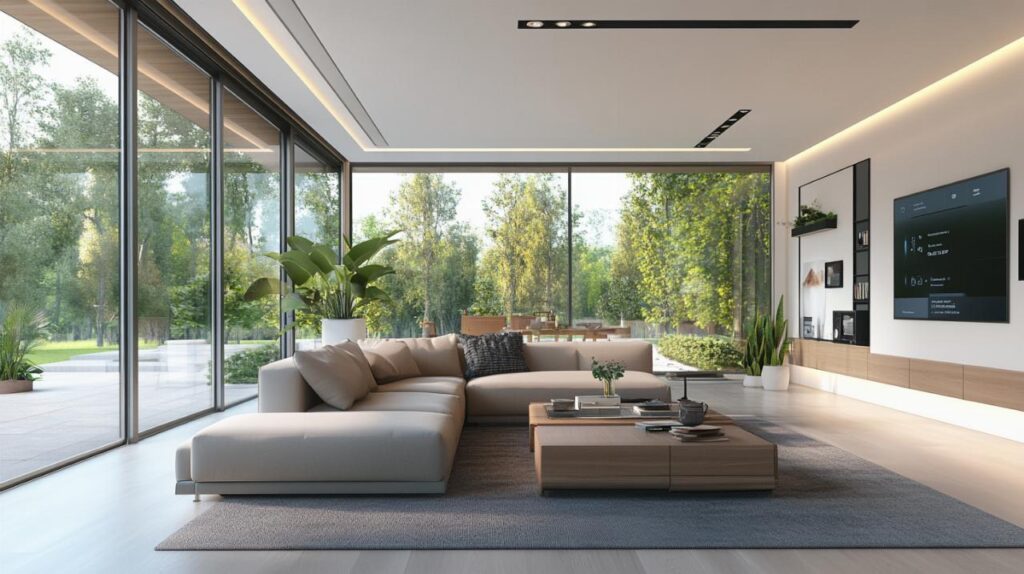
Contemporary architecture has evolved into a fascinating blend of minimalist aesthetics and cutting-edge technology, creating environments that are as functional as they are visually striking. As homeowners increasingly prioritise comfort, sustainability, and seamless connectivity, the demand for properties that marry open-plan living with intelligent automation has surged. When you visit the most desired modern homes today, you discover spaces where clean lines, expansive glass panels, and thoughtfully integrated smart systems work in harmony to redefine what it means to live well in the twenty-first century.
The Rise of Intelligent Home Automation in Contemporary Properties
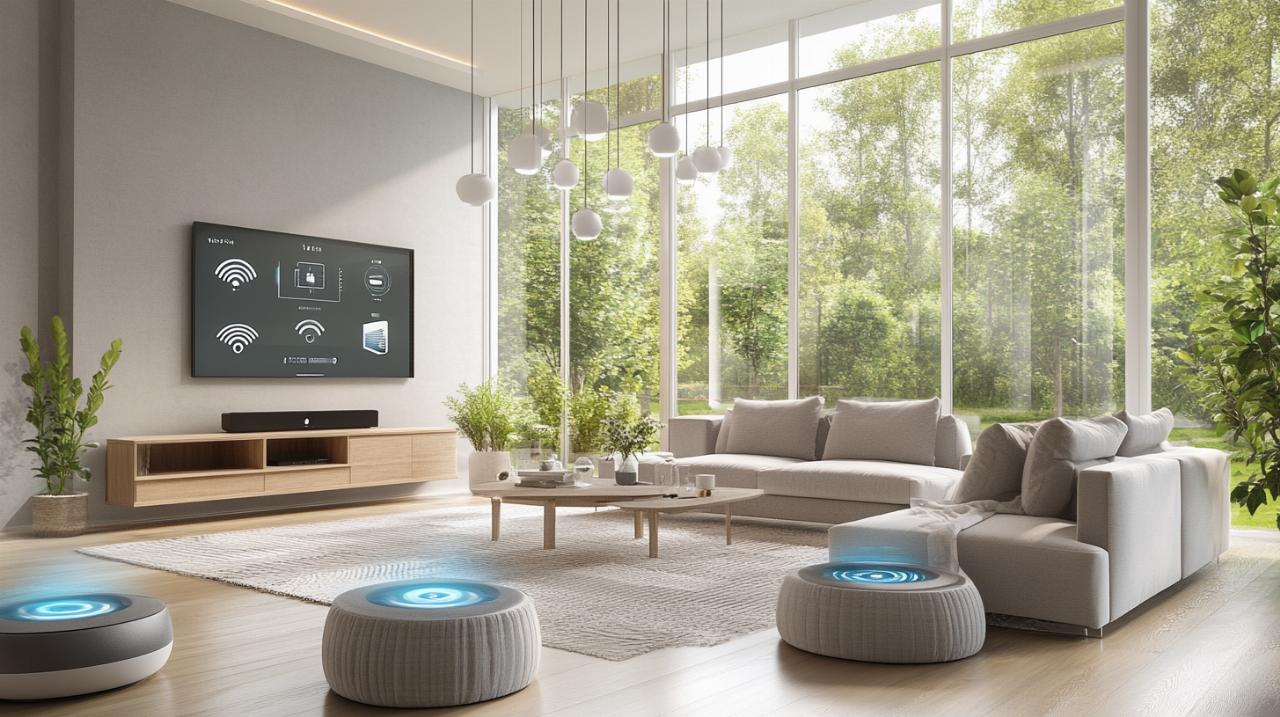
Smart technology has transitioned from a luxury feature to an expected component of modern houses, with recent trends suggesting that intelligent systems will soon be commonplace in the majority of households. A significant portion of homeowners now regard smart technology as essential for new builds, driven by the dual benefits of energy efficiency and convenience. These motivations reflect a broader shift towards sustainable living and the desire to simplify daily routines through automation. As a result, contemporary properties are being designed with integrated smart hubs and voice-controlled systems that allow residents to manage lighting, heating, and security from a single interface or even through simple verbal commands.
Voice-Controlled Systems and Integrated Smart Hubs
The integration of voice-controlled systems has transformed the way occupants interact with their living spaces, enabling effortless adjustments to ambient conditions without the need for manual switches or physical controls. Smart hubs serve as the central nervous system of these modern houses, coordinating various devices and ensuring they operate in unison. This level of integration extends beyond basic functions, encompassing everything from entertainment systems to kitchen appliances, creating an ecosystem where convenience and efficiency are paramount. The seamless interaction between devices not only enhances comfort but also contributes to a more sustainable lifestyle by optimising energy consumption across the home.
Energy-Efficient Climate Control and Lighting Solutions
Energy efficiency stands as one of the primary motivations for adopting smart technology, with climate control and lighting solutions at the forefront of this movement. Air source heat pumps and intelligent thermostats work together to regulate indoor temperatures with precision, reducing waste and lowering energy bills. Similarly, smart lighting systems adjust brightness and colour temperature based on natural light availability and occupancy, ensuring that artificial illumination is used only when necessary. These technologies are often paired with eco-friendly materials and energy-efficient designs, reinforcing the commitment to sustainability that defines contemporary architecture. The result is a living environment that not only minimises environmental impact but also provides superior comfort and adaptability to the needs of its inhabitants.
Open-Plan Living Spaces That Redefine Modern Comfort
Open-plan layouts have become synonymous with modern houses, offering a sense of spaciousness and fluidity that traditional compartmentalised designs cannot match. By removing unnecessary walls and barriers, these configurations create expansive areas where activities flow naturally from one zone to another, fostering interaction and flexibility. The emphasis on large windows and glass doors ensures that natural light floods the interior, further enhancing the perception of openness and connecting the indoors with the surrounding landscape. This architectural philosophy is rooted in minimalism combined with warmth, achieved through the thoughtful use of textures, neutral colour schemes, and natural elements such as timber and concrete.
Seamless Kitchen-Dining-Lounge Configurations
The kitchen-dining-lounge configuration epitomises the open-plan ethos, blending three essential living areas into a cohesive whole that encourages both communal gatherings and individual pursuits. This layout allows cooking, dining, and relaxation to occur within a shared space, facilitating communication and making daily routines more efficient. High-quality furniture and attention to acoustics ensure that the space remains comfortable and functional, even when multiple activities are taking place simultaneously. The integration of smart technology further enhances this environment, with automated lighting and climate control adapting to the changing needs of occupants throughout the day. Outdoor spaces are often designed as extensions of these interiors, with seamless transitions that blur the boundary between inside and outside, creating a unified living experience.
Maximising Natural Light Through Architectural Design
The strategic use of large windows and glass doors is fundamental to maximising natural light in modern houses, a design choice that not only reduces the reliance on artificial illumination but also creates a sense of connection with the natural world. Flat or gently pitched roofs often feature skylights or clerestory windows, allowing sunlight to penetrate deep into the interior and illuminate spaces that might otherwise remain dim. This emphasis on natural light is complemented by the use of reflective materials such as glass and metal, which help to distribute brightness evenly throughout the home. Outdoor lighting further extends the usability of modern houses, enhancing both the aesthetic appeal and functionality of exterior areas during evening hours. The interplay of light, space, and materials results in environments that feel airy, inviting, and effortlessly connected to their surroundings, embodying the core principles of contemporary design.