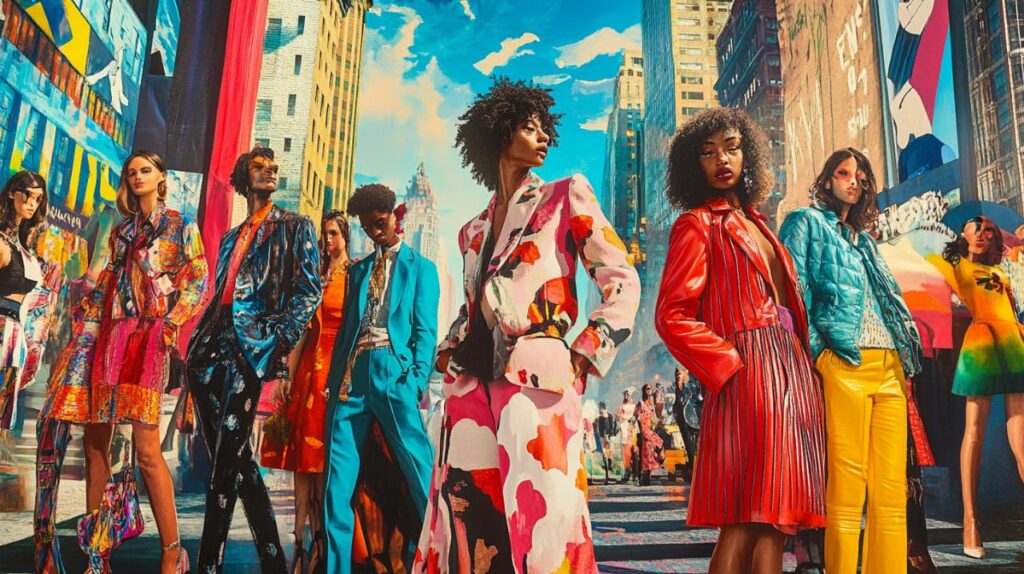
Fashion serves as a vivid mirror reflecting the values, aspirations, and complexities of contemporary society. As styles evolve and merge across continents, they tell stories of cultural exchange, environmental awareness, and shifting identities. Today's fashion landscape is shaped by a compelling blend of ethical considerations, creative collaborations, and a desire for authenticity. Understanding these currents offers insight not only into what people wear but also into how they perceive themselves and the world around them.
The Rise of Sustainable Fashion and Conscious Consumerism
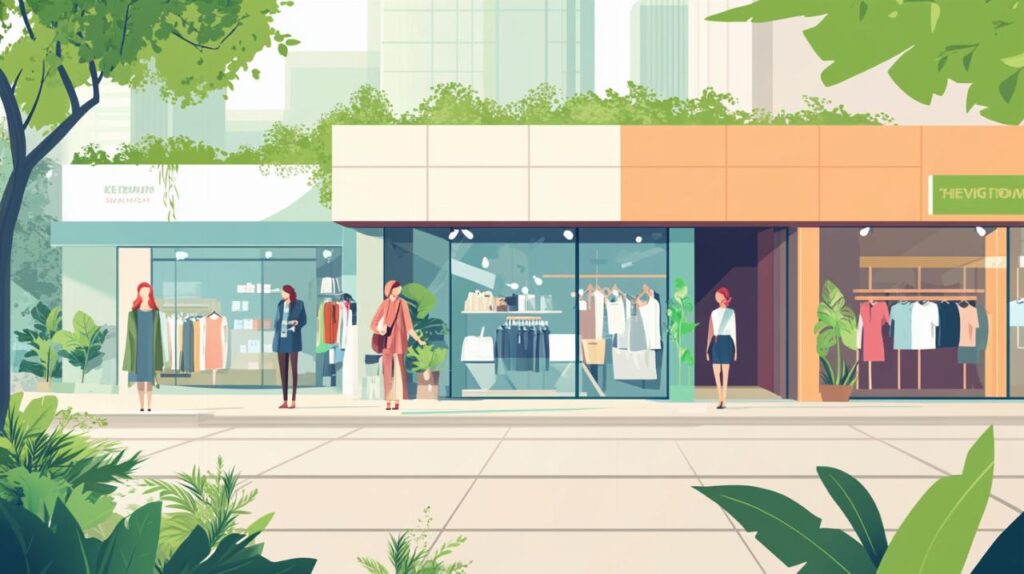
The movement towards sustainability has transformed the fashion industry in profound ways, driven by a growing awareness of environmental challenges and social responsibility. Brands and designers are increasingly prioritising practices that minimise harm to the planet while respecting the rights and dignity of workers. This shift is not merely a trend but a fundamental rethinking of how clothing is conceived, produced, and consumed. The conversation around sustainability has expanded from niche circles to mainstream consciousness, influencing purchasing decisions and encouraging a more thoughtful approach to fashion.
Eco-friendly materials and ethical production methods
Innovation in materials has become a cornerstone of sustainable fashion, with designers exploring alternatives to conventional fabrics that often carry significant environmental costs. Organic cotton, recycled polyester, and novel fibres derived from plant sources are gaining traction as viable options that reduce water usage, chemical pollution, and carbon emissions. British craftsmanship, renowned for its meticulous attention to detail and quality manufacturing, plays a vital role in this transformation. UK clothing manufacturers are embracing eco-friendly materials while maintaining the high standards that have long defined the industry. London, as a major fashion hub, continues to foster collaboration between designers and manufacturers committed to ethical production. These efforts are supported by labour regulations that prioritise worker rights, ensuring that the pursuit of sustainability does not come at the expense of fair treatment and safe working conditions. The emphasis on localised production within the UK also contributes to shorter supply chains, reducing the carbon footprint associated with transporting goods across vast distances.
How Consumer Demand is Reshaping the Industry
The power of consumer choice has never been more evident than in the current era of conscious consumerism. Shoppers are increasingly demanding transparency from brands, seeking information about the origins of their garments and the conditions under which they were made. This demand is reshaping the industry, compelling companies to adopt more sustainable practices or risk losing relevance. The rise of digital innovation has facilitated this shift, enabling consumers to access information and make informed decisions with unprecedented ease. Technological advances have also opened new avenues for brands to communicate their values and engage with audiences who prioritise ethical considerations. The fashion trends discovery process has become intertwined with a broader exploration of personal values, as individuals seek clothing that aligns with their beliefs about the environment, social justice, and cultural diversity. This dynamic has fostered a marketplace where authenticity and accountability are as important as aesthetics, driving brands to rethink their strategies and embrace transparency as a core principle.
Streetwear's influence on contemporary high fashion
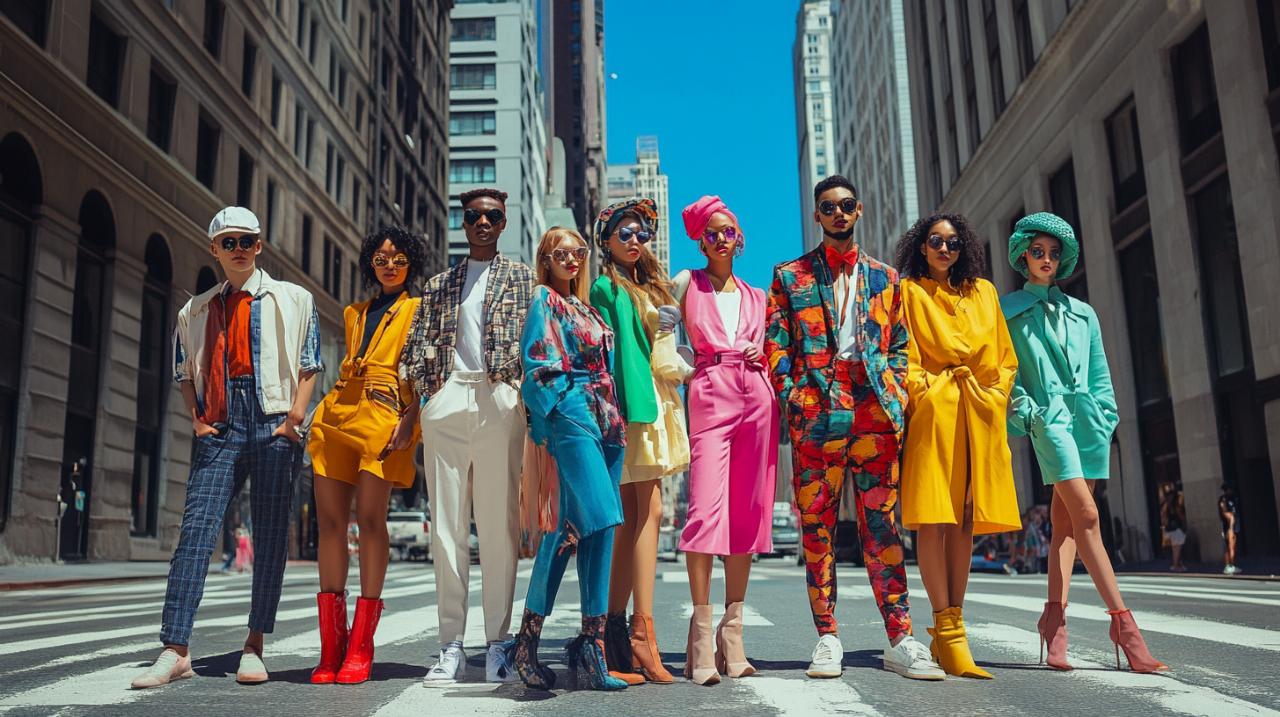
Streetwear has emerged as one of the most significant cultural forces in modern fashion, challenging traditional hierarchies and redefining what constitutes luxury and desirability. Rooted in urban culture and youth movements, streetwear embodies a spirit of rebellion, creativity, and inclusivity. Its influence on high fashion is undeniable, as designers and luxury houses increasingly draw inspiration from street style, incorporating elements that were once considered casual or counter-cultural into their collections. This fusion has blurred the boundaries between everyday wear and haute couture, creating a dynamic landscape where global fashion reflects a diverse range of influences and perspectives.
The blurring lines between casual and luxury wear
The distinction between casual and luxury fashion has become increasingly fluid, as streetwear aesthetics infiltrate the runways and designer showrooms. Hoodies, trainers, and graphic tees, once relegated to informal settings, now command premium prices and feature prominently in collections from prestigious fashion houses. This evolution reflects a broader shift in cultural attitudes, where comfort and self-expression are valued alongside elegance and sophistication. American fashion influence has played a pivotal role in this transformation, with iconic brands such as Nike and Calvin Klein setting the tone for a style that prioritises individuality and versatility. The emphasis on scale and efficiency characteristic of US fashion production has enabled these brands to reach a global audience, amplifying their impact on contemporary trends. Meanwhile, British craftsmanship continues to offer a counterpoint, with a focus on quality manufacturing and design inspiration rooted in tradition. The interplay between these approaches enriches the fashion landscape, offering consumers a wealth of choices that cater to diverse tastes and lifestyles.
Collaborations between street brands and designer houses
Collaborations between streetwear labels and established luxury brands have become a defining feature of contemporary fashion, generating excitement and driving innovation. These partnerships bring together distinct creative visions, resulting in collections that resonate with a broad spectrum of consumers. The success of such collaborations underscores the importance of cultural diversity in shaping fashion trends, as designers draw from various backgrounds and experiences to create something new and compelling. London, as a vibrant fashion hub, has been at the forefront of these collaborations, fostering connections between emerging street brands and established houses. The city's unique position as a crossroads of cultures and ideas makes it an ideal setting for experimentation and boundary-pushing creativity. Supply chains play a crucial role in facilitating these partnerships, ensuring that innovative designs can be produced efficiently and ethically. The focus on localised production within the UK supports this endeavour, offering the flexibility and responsiveness needed to bring ambitious projects to fruition. As the fashion industry continues to evolve, these collaborations highlight the potential for cross-pollination between different segments of the market, enriching the overall landscape and offering consumers fresh perspectives on style and identity.