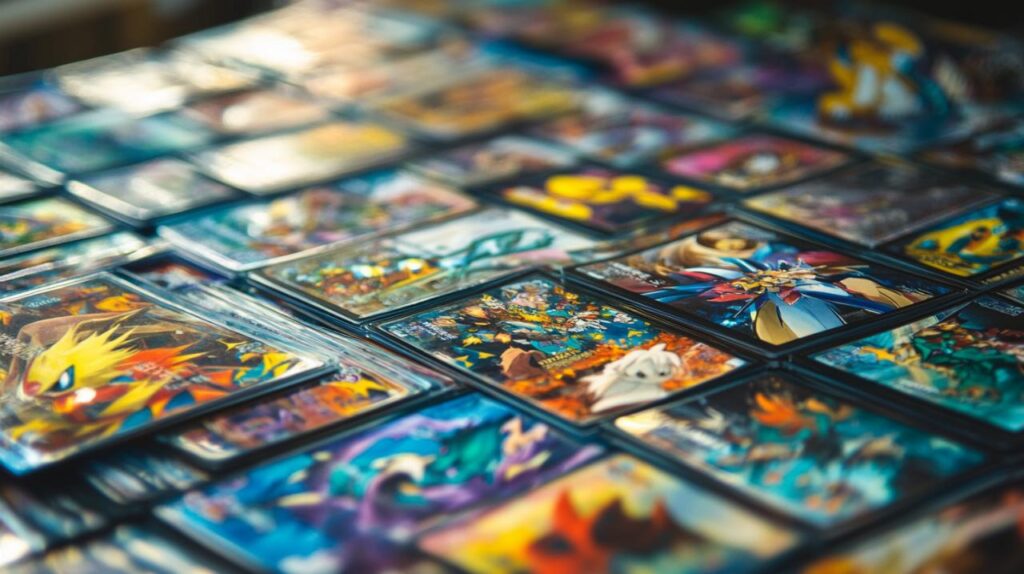
Since its inception in the mid-1990s, the Pokémon Trading Card Game has captivated millions worldwide, transforming from a simple accompaniment to a beloved video game franchise into a cultural cornerstone of competitive gaming and collecting. The journey from its Japanese origins to its current status as a global powerhouse reflects not only the evolution of the game itself but also the enduring appeal of the Pokémon universe across generations. This remarkable narrative traces nearly three decades of innovation, strategic depth, and community building that continue to shape the landscape of trading card games today.
The Birth of a Cultural Phenomenon: Pokémon TCG in the Late 1990s
From video game success to tabletop innovation
The Pokémon Trading Card Game began its story in Japan during October 1996, emerging alongside the video game series that had already begun to capture the imagination of players across the nation. This initial release introduced the Base Set, a collection of 102 cards that brought iconic creatures such as Charizard, Blastoise, and Venusaur to life in a tangible, collectible format. The decision to expand the Pokémon experience beyond the screen proved to be a masterstroke, as players could now physically hold and trade representations of their favourite creatures, adding a new dimension to the franchise's appeal.
The transition from a domestic success to an international sensation occurred swiftly. Wizards of the Coast, a company already renowned for its role in the trading card game industry, undertook the challenge of bringing the Pokémon TCG to audiences beyond Japan in 1998. By January 1999, English-language cards made their debut in North America, sparking an unprecedented wave of enthusiasm among young collectors and players. The timing coincided with the broader Pokémon craze sweeping through Western markets, ensuring that the card game found a receptive and eager audience ready to embrace this new form of engagement with the franchise.
Early Expansion Sets and the Foundation of Competitive Play
Following the success of the Base Set, the game rapidly expanded its offerings with additional releases that enriched the playing experience and deepened the strategic possibilities available to participants. The Jungle and Fossil expansions arrived in 1999, introducing new Pokémon and gameplay mechanics that encouraged players to experiment with different deck compositions. The year 2000 saw the arrival of the Team Rocket set, which added a thematic twist by featuring darker, more villainous characters from the Pokémon universe, further diversifying the card pool.
The period from 1999 to 2003 is often regarded as the Golden Age of Pokémon cards, a time when the game's competitive scene began to take shape with increasing sophistication. The first World Championships for the Pokémon TCG took place in the United States in 1999, establishing a formal structure for high-level competition that would grow in scale and prestige over subsequent years. During this era, notable expansions such as Base Set 2 in 2000 and the Neo series, which included Neo Genesis and Neo Destiny between 2000 and 2002, introduced fresh mechanics and cards that challenged players to refine their strategies. The introduction of the Professor Programme further solidified the competitive infrastructure by training judges and ensuring that tournaments maintained consistent standards of fairness and professionalism.
Evolution of Gameplay and Collecting Culture Through the Decades
Booster Packs, Deck Building, and the Rise of Strategic Tournaments
Central to the enduring appeal of the Pokémon Trading Card Game is the system of booster packs, which contain a randomised selection of cards that allow collectors to continuously expand their collections and players to discover new strategic possibilities. This element of chance, combined with the skill required to construct effective decks, has kept the game fresh and engaging across decades. Players learned to balance their desire for rare and powerful cards with the need to build cohesive strategies, fostering a culture of both collecting and competitive play that appeals to a wide range of enthusiasts.
As the game matured, its competitive scene flourished with an increasing number of tournaments and events that brought together players from diverse backgrounds and skill levels. The strategic depth of the Pokémon TCG became more pronounced with each new generation of cards, which introduced innovative gameplay mechanics. The debut of EX cards in the Ruby and Sapphire set in 2003 marked a significant evolution, offering high-risk, high-reward options that altered the dynamics of battle. In 2016, coinciding with the franchise's twentieth anniversary, GX cards were introduced, adding another layer of complexity and excitement. The modern era, beginning in 2019, brought forth Pokémon-V and VMAX cards, which further expanded the tactical possibilities available to players and ensured that the game remained challenging and engaging for both newcomers and veterans alike.
Themed Releases and the Integration of Digital Platforms
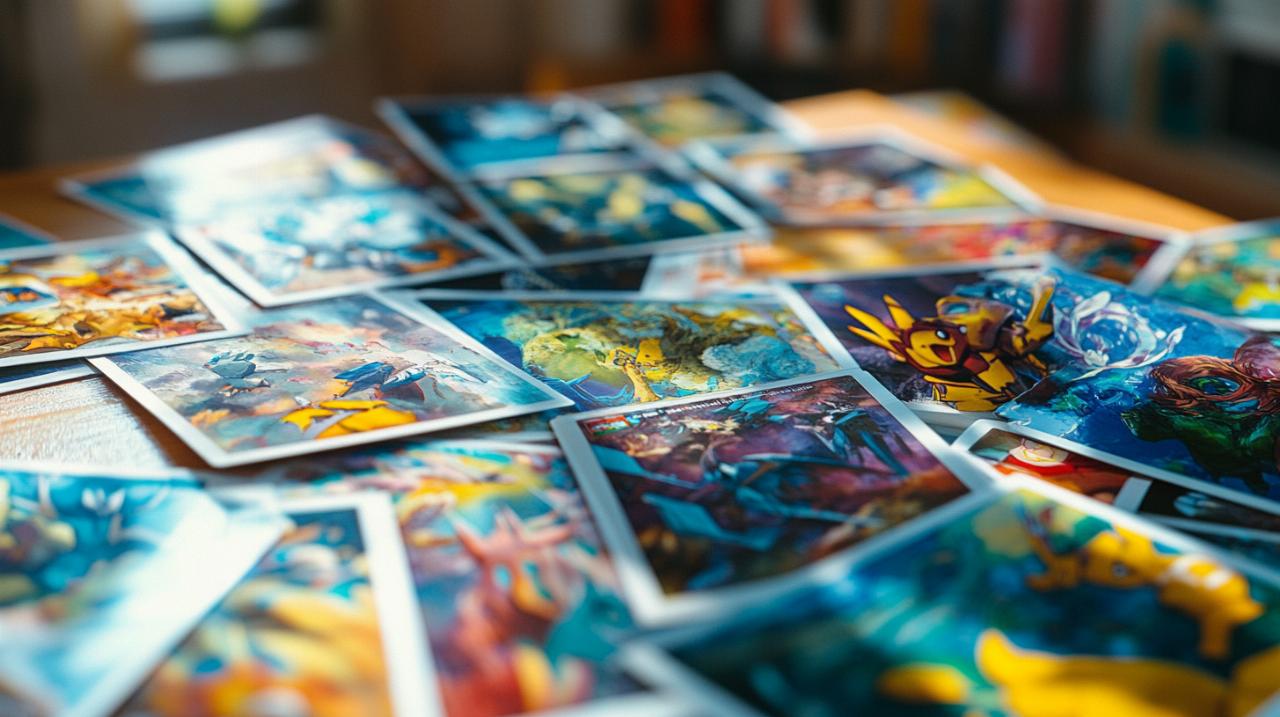
The Pokémon Trading Card Game has continually reinvented itself through themed releases that reflect the evolving narrative of the broader Pokémon franchise. Sets inspired by the Sword and Shield series, as well as the Sun and Moon era, have catered to different player interests and introduced cards that resonate with fans of particular generations or storylines. These themed releases not only maintain interest among existing players but also attract new audiences who connect with specific aspects of the Pokémon world, ensuring that the game remains relevant and culturally resonant.
The integration of digital platforms has been a transformative development in the history of the Pokémon TCG. The launch of Pokémon TCG Online in 2011 allowed players to engage in virtual battles, breaking down geographical barriers and making the game accessible to a global audience. This digital iteration provided opportunities for practice and competition without the need for physical cards, broadening the game's reach and fostering a vibrant online community. In 2022, Pokémon TCG Live was introduced, offering an updated and more streamlined digital experience that continues to complement the physical card game. These platforms have not only expanded accessibility but have also introduced new players to the game, many of whom later transition to collecting physical cards and participating in live tournaments.
The Global Reach and Modern Landscape of Pokémon TCG
International Competitions and the Worldwide Collector Community
The Pokémon Trading Card Game has grown into a truly global phenomenon, with a dedicated community of players and collectors spanning every continent. International competitions, including regional championships and the annual World Championships, draw participants from around the world, showcasing the highest levels of skill and strategy. These events have become major fixtures in the competitive gaming calendar, offering substantial prizes and prestige to those who excel. The worldwide reach of these tournaments underscores the universal appeal of the game and its ability to bring together people from diverse cultures united by a shared passion for Pokémon.
The collector community has also flourished, driven by the allure of rare and valuable cards that have become coveted treasures. Cards such as the 1999 Base Set Charizard have achieved legendary status, with pristine examples fetching significant sums in the marketplace. The surge in collecting that occurred post-2020 saw rare Pokémon cards selling for thousands, and in 2022, a record-breaking sale saw a single card exceed five million pounds, highlighting the intersection of nostalgia, investment, and passion that characterises the modern collecting scene. Services such as card grading, offered by organisations like SSINT and Ace Grading, have become essential for collectors seeking to preserve and authenticate their prized possessions, ensuring that the condition and provenance of cards are meticulously documented.
Online Battles, Delivery Services, and the Future of the Trading Card Game
The modern landscape of the Pokémon TCG is defined by its seamless integration of physical and digital experiences. Online battles have become a staple for many players, offering flexibility and convenience that complement traditional face-to-face competition. Platforms enabling virtual play have democratised access to the game, allowing enthusiasts to participate regardless of their location or schedule. This accessibility has been further enhanced by delivery services that ensure a steady stock of booster boxes and individual cards, with many companies offering free shipping on orders over seventy-five pounds and promotional codes such as 'TCW' for discounts on grading services. Payment methods including Klarna, PayPal, and American Express have made transactions straightforward, supporting a thriving marketplace where collectors and players can easily acquire the cards they desire.
Looking ahead, the Pokémon Trading Card Game shows no signs of slowing down. As of 2022, an estimated 43.2 billion cards have been sold globally, a testament to the game's sustained popularity and the franchise's ability to adapt and innovate. With the thirtieth anniversary approaching in 2026, expectations are high for new expansions, gameplay innovations, and commemorative releases that will honour the game's rich history while pushing it into exciting new territory. The combination of competitive play, collecting culture, and digital integration ensures that the Pokémon TCG will continue to captivate audiences for years to come, remaining a vibrant and essential part of the Pokémon legacy that began in 1996 and has since grown into a worldwide phenomenon.