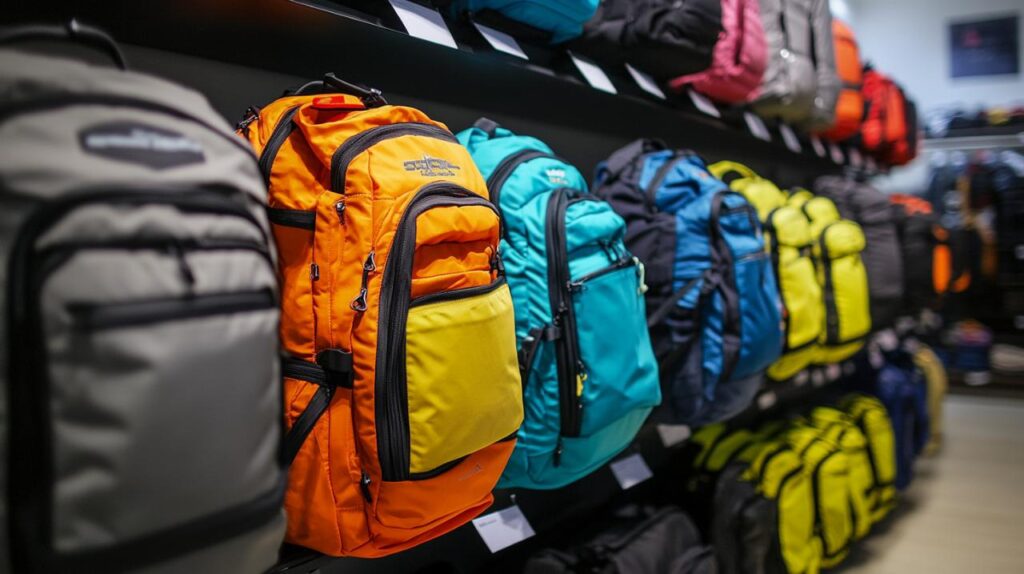
When it comes to tackling the rugged peaks and dynamic sporting challenges across the United Kingdom, selecting the right rucksack can make all the difference between a comfortable adventure and a gruelling ordeal. The market today offers an impressive array of sportswear bags designed to cater to every type of outdoor enthusiast, from weekend gym-goers to seasoned mountaineers. Understanding which features truly matter and which brands consistently deliver quality will help you invest wisely in a companion that endures the elements and supports your active lifestyle.
Essential Features to Look for in Sports Rucksacks
Choosing a rucksack involves more than simply picking the most visually appealing option on the shelf. The demands placed on outdoor equipment are intense, and your bag must withstand everything from sudden downpours to abrasive rock faces. It needs to carry your kit securely, distribute weight evenly, and remain functional throughout years of rigorous use. Key characteristics such as material quality, organisational features, and construction methods separate superior designs from those that fail after a single season.
Durability and Material Quality for Active Lifestyles
The fabric and construction of a rucksack determine how well it copes with the stresses of outdoor activities. High-quality materials such as ripstop nylon and reinforced polyester offer excellent resistance to tears and abrasions, ensuring your bag remains intact even when scrambling over rough terrain or squeezing through tight spaces. Technical rucksacks often feature water-resistant coatings or laminated fabrics that keep contents dry during unexpected showers, a crucial consideration given the unpredictable British weather. Brands like Osprey and Berghaus have built their reputations on producing tough, dependable packs that endure the harshest conditions, with Berghaus being a pioneering UK brand founded in 1966 that introduced innovations such as internal frame packs. Similarly, Deuter, established in 1898, brings over a century of experience to crafting robust rucksacks suited to challenging environments. The stitching, zippers, and reinforcement points also warrant close inspection, as these are the areas most prone to failure under heavy loads or repeated use.
Storage compartments and organisation systems
An effective sports rucksack offers more than a single cavernous compartment. Thoughtful organisation systems allow you to access essential items quickly without unpacking everything, which proves invaluable during fast-paced activities or when conditions turn harsh. Multiple pockets, both internal and external, help segregate gear such as hydration bladders, electronics, first aid kits, and snacks. Dedicated compartments for wet or dirty clothing prevent contamination of clean items, while secure pockets for valuables provide peace of mind. Brands such as Gregory Packs are known for their reliable and comfortable designs, which often include smart organisational features tailored to different body types, including options for plus sizes. Meanwhile, Exped, a Swiss brand founded in 1983, focuses on no-frills, efficient designs that maximise usable space without unnecessary complexity. Adjustable dividers, compression straps, and expandable sections further enhance versatility, allowing the same bag to serve multiple purposes across various activities.
Top Rucksacks for Different Sports and Outdoor Activities
Not all rucksacks are created equal, and the ideal choice depends heavily on the specific demands of your chosen activity. A bag designed for a quick gym session will differ significantly from one engineered for multi-day mountaineering expeditions. Understanding these distinctions ensures you select a rucksack that enhances performance rather than hindering it.
Best Backpacks for Climbing and Mountaineering Expeditions
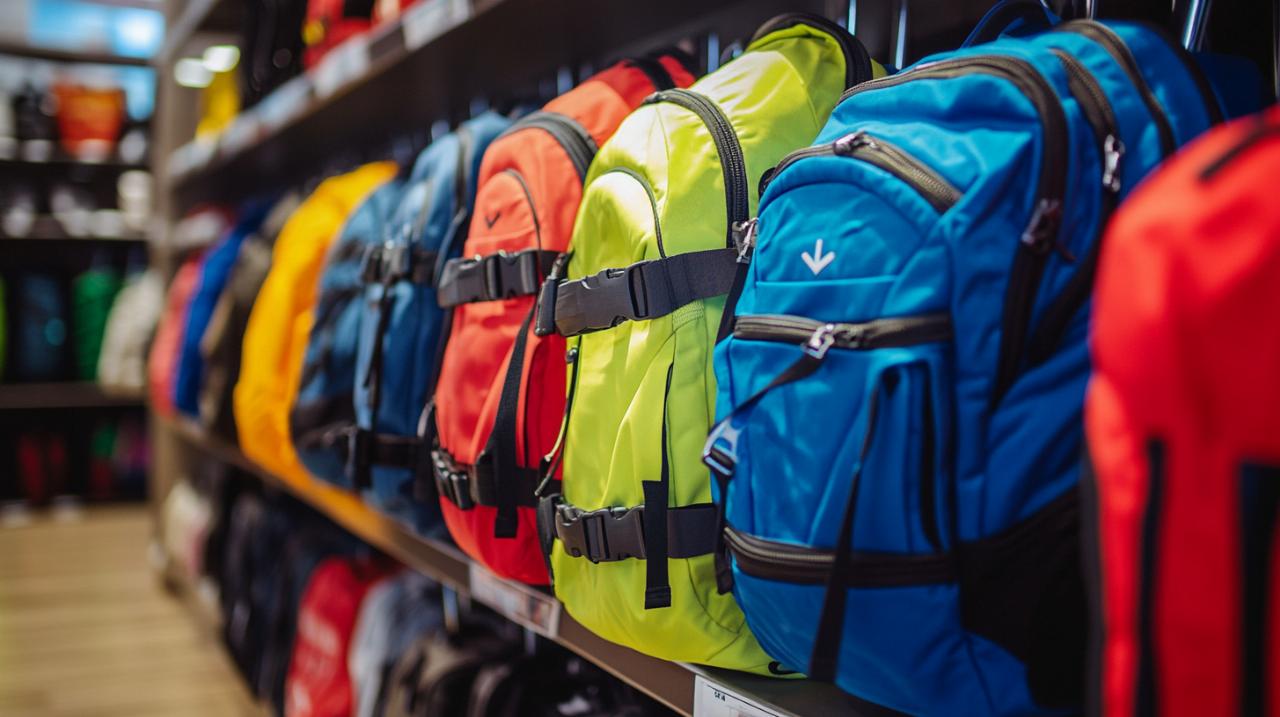
Climbing and mountaineering require specialised rucksacks that balance capacity with weight, feature robust attachment points for gear, and maintain a low profile to prevent snagging. Mountain backpacks in the range of forty to fifty litres typically suit extended trips, offering enough space for camping equipment, food, and safety gear without becoming unwieldy. The Orion 45L from Alpkit, which was featured in Trek & Mountains' Group Test of mountain packs, exemplifies this category with its combination of practical storage and ergonomic design. Lowe Alpine, founded in 1972 and later acquired by Rab, specialises in packs for hiking, trekking, and climbing, with designs that prioritise vertical activities and fast-paced ascents. Salewa, rooted in the Dolomites, brings technical expertise to their mountain backpacks, incorporating features such as ice axe loops, helmet carriers, and reinforced bases. For those committed to environmental responsibility, Patagonia offers streamlined technical packs that combine performance with sustainable manufacturing practices. The brand's commitment to reducing ecological impact resonates with climbers who value wilderness preservation. Additionally, Mammut, a Swiss brand known for modern technical designs, produces rucksacks that cater to a wide range of mountain activities, from alpine climbing to ski touring.
Versatile Holdalls for Gym Sessions and Team Sports
For gym-goers and team sports enthusiasts, versatility and ease of access take precedence over specialised climbing features. Smaller capacity rucksacks, typically ranging from six to twenty-five litres, provide ample space for workout clothes, trainers, towels, and personal items without the bulk of larger expedition packs. Alpkit's range includes options such as the Vora 6L at forty-nine pounds ninety-nine pence, the Artlu 10L at fifty-nine pounds ninety-nine pence, and the Presta 25L at seventy-nine pounds ninety-nine pence, all designed to balance practicality with affordability. Decathlon, a French brand with a significant presence across Europe and the UK, offers exceptional value through its Quechua and Forclaz sub-brands, making quality outdoor equipment accessible to a broader audience. These versatile holdalls often feature padded laptop sleeves, ventilated shoe compartments, and quick-access pockets, blending functionality for both gym and daily commuting needs. Fjällräven, a Swedish brand known for merging outdoor performance with lifestyle aesthetics, produces rucksacks that transition seamlessly from urban settings to countryside trails, appealing to those who value both form and function. Montane, recognised for lightweight and breathable equipment, also offers compact rucksacks ideal for fast-paced activities where minimising weight is paramount.
Choosing the Right Size and Fit for Your Sports Bag
Even the most feature-rich rucksack will prove inadequate if it does not fit properly or suit the intended activity. Size and fit are critical factors that directly impact comfort, load distribution, and overall enjoyment during outdoor pursuits.
Capacity requirements based on your activity type
Selecting the appropriate capacity hinges on the duration and nature of your activities. Day hikes and climbing sessions generally require packs between fifteen and thirty-five litres, providing enough room for essentials like water, snacks, extra layers, and safety equipment without unnecessary bulk. The Gnarl 15L at sixty-four pounds ninety-nine pence and the Ledge 35L at ninety-nine pounds ninety-nine pence from Alpkit illustrate this spectrum, catering to short outings and more extended day trips respectively. Multi-day treks and expeditions demand larger capacities, typically between forty-five and sixty-five litres, to accommodate camping gear, food supplies, and additional clothing. The Pacific Crest series from Alpkit, available in fifty-five and sixty-five litre variants at ninety-nine pounds ninety-nine pence and one hundred fourteen pounds ninety-nine pence, exemplifies this category. Trail gear enthusiasts often appreciate brands like Vango, which produces excellent value, tough, and dependable packs suitable for extended wilderness adventures. Sierra Designs brings innovation to the table with unusual, expanding designs that offer flexibility in capacity, adapting to varying load requirements. Understanding your specific needs prevents the common mistake of either carrying excess weight or running out of space mid-adventure.
Comfort and Ergonomics for Extended Wear
A rucksack that fits well distributes weight evenly across the hips and shoulders, reducing strain and fatigue during prolonged use. Adjustable harness systems, padded shoulder straps, and contoured hip belts are essential for achieving a personalised fit. Women-specific designs and packs tailored for plus sizes, such as those offered by Gregory Packs, address anatomical differences and ensure comfort across diverse body types. Ventilated back panels enhance breathability, reducing perspiration buildup during strenuous activities. Brands like Osprey, known for their comfortable and versatile designs, invest heavily in ergonomic research to create packs that feel natural even when fully loaded. Load-lifter straps, sternum straps, and compression systems further refine weight distribution, allowing you to fine-tune the fit on the go. Ben Weeks, gear editor for Trail magazine, has spent over ten years testing equipment for LFTO, emphasising that proper fit often matters more than individual features. His extensive experience underscores the importance of trying on rucksacks with realistic loads before committing to a purchase. Additionally, organisations such as Ogwen Valley Mountain Rescue, which received ten custom-made rucksacks in February 2023, rely on perfectly fitted gear for demanding rescue operations, highlighting how critical proper sizing is in high-stakes environments. Whether you're exploring the Scottish Highlands or navigating urban trails, investing time in finding the right fit pays dividends in comfort and performance.