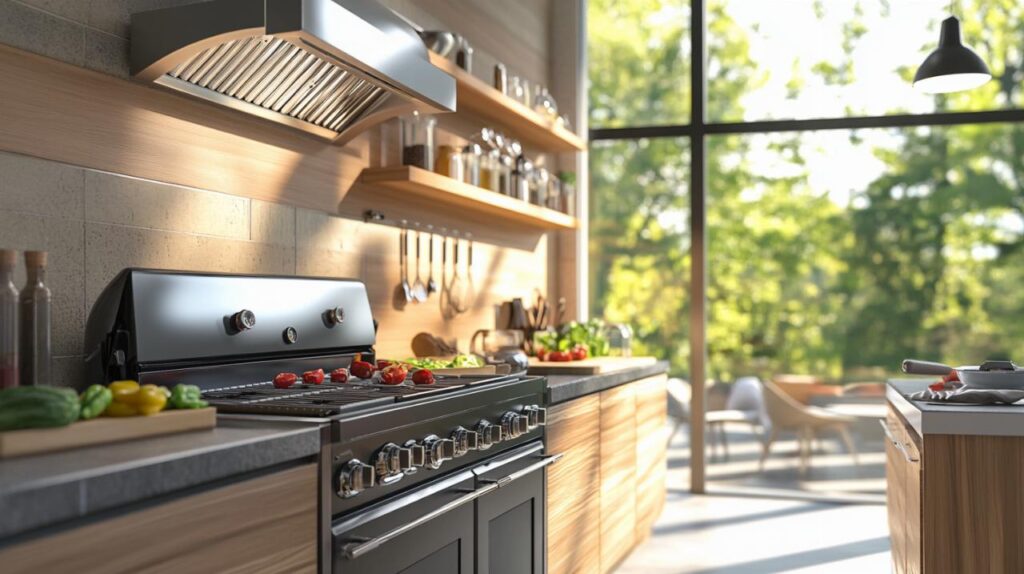
Mastering the art of grilling transforms ordinary meals into extraordinary culinary experiences, yet the journey begins with selecting the right equipment. Whether you are drawn to the smoky allure of traditional barbecue grills or the convenience of modern electric alternatives, understanding the nuances of each device empowers you to create flavourful grilled meats with confidence. This exploration delves into the key differences between these cooking methods, evaluates leading brands, and highlights how versatility in your chosen appliance can elevate not just meat dishes but an entire repertoire of grilled delights.
Bbq grills versus electric grills: which device suits your cooking style?
Choosing between a barbecue grill and an electric grill hinges on your cooking preferences, lifestyle, and the flavours you wish to achieve. Traditional barbecue grills, fuelled by charcoal, wood, or gas, offer an authentic outdoor cooking experience that many enthusiasts cherish. The use of different fuel types yields distinct flavours, with charcoal and wood imparting a rich, smoky character that electric models struggle to replicate. Gas grills, often powered by propane, provide rapid heat and precise control, making them ideal for those who value convenience without sacrificing too much of the traditional grilling essence. On the other hand, electric grills cater to urban dwellers or individuals with limited outdoor space, delivering consistent results indoors or on compact balconies. These devices excel in environments where open flames are impractical or prohibited, ensuring you can still enjoy grilled fare year-round regardless of weather conditions.
The decision also involves considering the learning curve and maintenance associated with each type. Barbecue grills demand attention to fire safety, regular cleaning to prevent flare-ups, and a willingness to experiment with fuel sources to master the nuances of heat control. Trimming excess fat from meats becomes particularly important when working with open flames, as it reduces the risk of dangerous flare-ups and promotes better cooking outcomes. Meanwhile, electric grills simplify the process with straightforward temperature dials and minimal cleanup, though they may lack the depth of flavour that comes from direct exposure to smoke and flame. For those new to grilling, electric models offer a gentle introduction, while seasoned grill masters often gravitate towards barbecue grills for the challenge and reward of perfecting techniques such as two-zone cooking, searing, and reverse searing. Ultimately, your choice reflects not just practical needs but also your passion for the craft of outdoor cooking and the culinary mastery you aspire to achieve.
Understanding power and temperature control across different models
Power output and temperature regulation are critical factors that distinguish grilling devices and influence your ability to execute diverse techniques. Electric grills typically offer wattage ratings that correlate with their heating capacity, with higher wattages enabling faster preheating and more consistent heat distribution. This predictability is advantageous for beginners or those seeking reliable results without constant monitoring. However, the trade-off often lies in the maximum temperature achievable, which can limit your ability to perform high-heat methods like direct grilling or achieving a perfect sear. In contrast, barbecue grills fuelled by charcoal or gas can reach significantly higher temperatures, unlocking possibilities such as caveman grilling, where ingredients are placed directly on hot coals for an intense, primal flavour. Gas models, particularly those with multiple burners, provide exceptional control over heat zones, allowing you to create setups for both direct and indirect grilling on a single surface.
Temperature control extends beyond raw power to include features such as adjustable vents, digital thermostats, and built-in thermometers. Quality grilling equipment often incorporates these elements to help you maintain the precise internal temperatures required for food safety and optimal taste. For instance, poultry must reach a cooking temperature of 74 degrees Celsius, while ground meats require at least 71 degrees Celsius to ensure harmful bacteria are eliminated. Understanding these benchmarks and leveraging your device's capabilities to achieve them consistently is a hallmark of professional culinary training. Some advanced electric grills now include programmable settings that mimic the heat profiles of charcoal or wood grilling, bridging the gap between convenience and authenticity. Whether you opt for the simplicity of electric controls or the hands-on engagement of adjusting airflow on a charcoal grill, mastering temperature management elevates your grilling from guesswork to precision, ensuring every cut of meat emerges perfectly cooked and brimming with flavour.
Evaluating cooking surface quality for optimal meat preparation
The quality of the cooking surface directly impacts heat distribution, ease of maintenance, and the final texture of your grilled dishes. Cast iron grates, commonly found on traditional barbecue grills, excel at retaining heat and creating attractive sear marks, yet they require diligent care to prevent rust and maintain their seasoning. Stainless steel grates offer durability and resistance to corrosion, though they may not hold heat as effectively as cast iron. Porcelain-coated surfaces strike a balance between non-stick properties and heat retention, making them a popular choice for mid-range models. When evaluating electric grills, consider whether the plates are removable and dishwasher-safe, as this feature significantly reduces cleanup time and encourages more frequent use. Non-stick coatings on electric grilling plates simplify the process of cooking delicate items such as fish, which should reach an internal temperature of 63 degrees Celsius, without the risk of sticking or tearing.
Beyond material composition, the size and configuration of the cooking surface determine how many servings you can prepare simultaneously and whether you can employ techniques like rotisserie grilling or vegetable basket grilling. Larger surfaces accommodate whole cuts of beef or multiple chicken breasts, essential for feeding families or entertaining guests. Some models feature reversible plates that allow you to switch between flat and ridged surfaces, enhancing versatility for preparing everything from paninis to vegetables. Equipment maintenance protocols emphasise keeping your grill clean to avoid the buildup of grease and food particles, which not only pose fire hazards but also compromise the flavour of future meals. Regular inspection of grates for wear and timely replacement when necessary ensures consistent performance and upholds food safety protocols. Investing in a device with a high-quality cooking surface pays dividends in the form of superior results, reduced effort, and a longer lifespan for your equipment.
Top Brands and Their Grilling Solutions: From Tefal to Budget-Friendly Alternatives
Navigating the marketplace for grilling appliances reveals a spectrum of brands, each offering distinct features and price points to suit varying budgets and culinary ambitions. Tefal has established itself as a household name, renowned for reliability and innovation in kitchen technology. Their grilling plates are engineered to deliver even heat distribution and durability, making them a trusted choice for home cooks who seek professional-grade performance without venturing into the upper echelons of cost. Beyond Tefal, the market includes emerging brands that leverage competitive pricing and modern design to appeal to younger consumers or those new to grilling. These alternatives often incorporate smart features such as digital timers and temperature alerts, bridging the gap between traditional cooking methods and contemporary convenience. While premium brands command higher prices, they frequently back their products with extended warranties and robust customer support, offering peace of mind that aligns with long-term investment in quality grilling equipment.
Budget-friendly options available through online platforms like Amazon democratise access to grilling technology, enabling enthusiasts to experiment with different techniques such as plank grilling and smoking without committing substantial funds upfront. However, lower-priced models may compromise on build quality or lack advanced temperature control, potentially limiting your ability to execute complex methods like reverse searing or achieving precise internal temperatures for different meats. Reading user reviews and comparing specifications helps identify models that deliver genuine value rather than superficial savings. Some budget brands surprise with excellent performance, particularly in the electric grill category, where simplicity of design can translate into fewer points of failure and easier maintenance. Whether you gravitate towards the established reputation of Tefal or the innovative spirit of a challenger brand, aligning your choice with your skill level, cooking frequency, and aspirations ensures satisfaction and inspires continued experimentation in your grilling journey.
Why Tefal's Grilling Plates Remain a Trusted Choice for Home Cooks
Tefal's enduring popularity stems from a combination of thoughtful design, consistent quality, and a deep understanding of home cooking needs. Their grilling plates feature non-stick coatings that withstand high temperatures while minimising the need for excessive oil, promoting healthier meals without sacrificing flavour. This characteristic proves invaluable when preparing items like fish or vegetables, where delicate textures demand gentle handling. The brand's commitment to user-friendly features extends to removable plates that simplify cleaning, addressing one of the most common pain points associated with grilling. By reducing the effort required to maintain the appliance, Tefal encourages regular use, helping cooks develop their skills and confidence over time.
Another factor contributing to Tefal's reputation is the versatility embedded in their product lines. Many models offer adjustable height settings to accommodate varying thicknesses of meat, ensuring even cooking whether you are preparing thin steaks or thick pork chops, which require an internal temperature of 63 degrees Celsius for safe consumption. Some devices include indicator lights that signal when the grill has reached the optimal preheating temperature, a feature that aligns with professional food safety standards and eliminates guesswork. Tefal's attention to these details reflects an understanding that successful grilling hinges not just on heat but on control, timing, and the ability to adapt to different ingredients. For home cooks seeking a balance between affordability and performance, Tefal represents a reliable entry point into the world of flavourful grilled meats, backed by decades of innovation and a track record of customer satisfaction.
Exploring Amazon Pricing Options and Value for Money
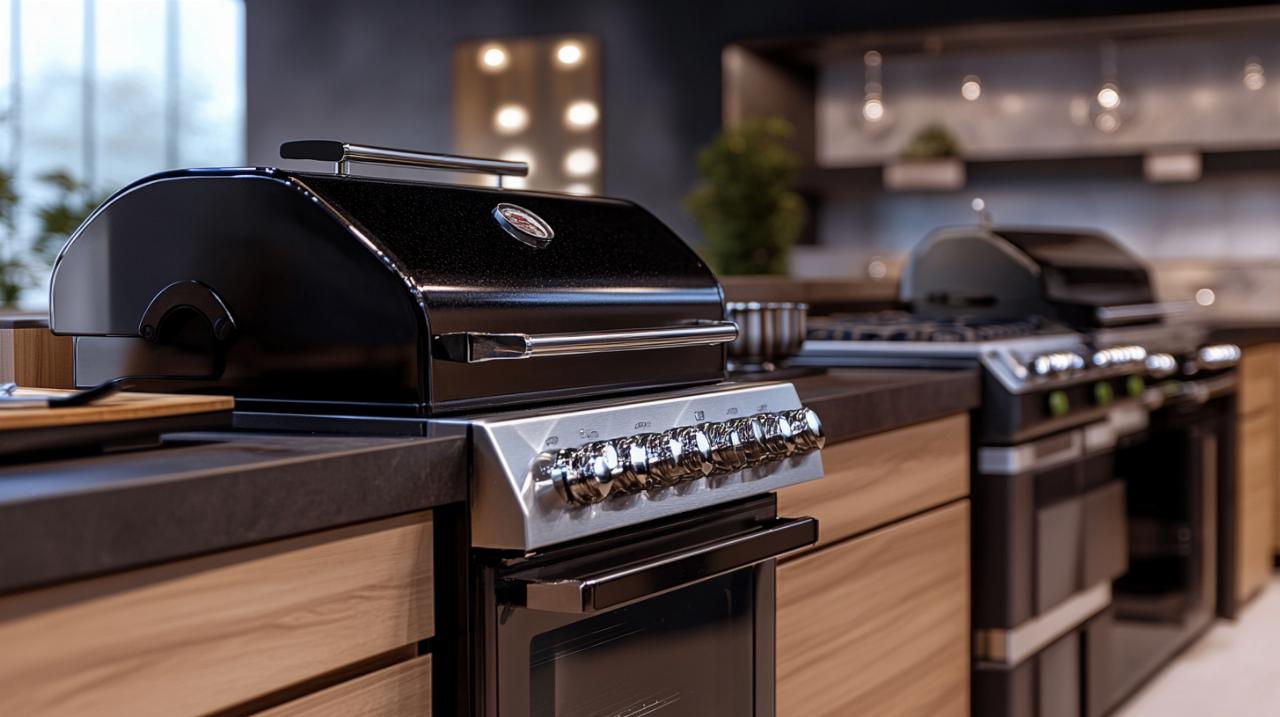
Amazon has emerged as a dominant marketplace for grilling appliances, offering an extensive range of models from established brands to lesser-known manufacturers. The platform's competitive pricing structure benefits consumers by driving down costs and providing frequent deals, particularly during seasonal sales events. This accessibility allows aspiring grill masters to explore various devices without the commitment of visiting multiple brick-and-mortar stores. User reviews and star ratings on Amazon serve as valuable resources, offering insights into real-world performance, durability, and customer service experiences. However, discerning genuine value requires scrutiny, as the sheer volume of options can be overwhelming and not all discounted products deliver on their promises.
When evaluating value for money on Amazon, consider factors beyond the initial purchase price. Shipping costs, warranty terms, and the availability of replacement parts all influence the total cost of ownership. Some budget models may lack the longevity of premium alternatives, resulting in higher expenses over time if frequent replacements become necessary. Additionally, certain features that seem appealing in product descriptions, such as multi-function capabilities or rapid heating, may underperform in practice, as evidenced by customer feedback. Cross-referencing specifications with independent reviews from culinary websites or forums provides a more balanced perspective. Ultimately, Amazon's vast inventory empowers you to find a grill that fits your budget and needs, provided you invest time in research and prioritise quality and functionality over fleeting discounts.
Maximising Versatility: Beyond Meat to Paninis and Other Grilled Delights
The most rewarding grilling devices transcend their primary function, offering flexibility to prepare a diverse array of dishes that extend well beyond traditional meat cuts. Modern appliances cater to this demand by incorporating interchangeable plates, adjustable temperature ranges, and spacious cooking surfaces that accommodate everything from paninis to grilled fruits. This versatility transforms your grill into a multi-functional kitchen tool, justifying the investment and encouraging creative experimentation. Grilling vegetables, for instance, adds vibrant colours, nutrients, and smoky depth to side dishes, complementing the richness of meats and broadening your culinary repertoire. Items such as bell peppers, courgettes, and asparagus develop caramelised exteriors and tender interiors when exposed to the right heat, making them as satisfying as any protein-centric dish.
Expanding your grilling horizons also invites exploration of global techniques and ingredients. Foil packet grilling, a method where vegetables, seafood, or seasonings are sealed in aluminium foil and cooked over indirect heat, captures moisture and intensifies flavours while simplifying cleanup. Plank grilling, which involves placing ingredients on a moistened wooden plank, infuses a subtle woodsy aroma reminiscent of smoking without requiring specialised equipment. Even unconventional applications like salt slab grilling, where food is cooked on a heated block of Himalayan pink salt, can be adapted to electric or gas grills with the right accessories. These methods demonstrate that mastering grilling techniques is not confined to meat preparation but encompasses a holistic approach to outdoor cooking that celebrates diversity, innovation, and the joy of discovery.
Multi-function features that transform your grilling experience
Multi-function features elevate a standard grill into a versatile culinary powerhouse capable of handling diverse cooking tasks with ease. Adjustable thermostat controls enable you to switch seamlessly between high-heat searing for steaks and gentler temperatures suited to delicate items like fish or desserts. Some advanced models incorporate timers and automatic shut-off mechanisms, reducing the risk of overcooking and enhancing safety, particularly when managing multiple dishes simultaneously. The inclusion of drip trays that channel excess fat away from the heat source not only prevents flare-ups but also aligns with healthier cooking practices by minimising the consumption of rendered fats.
Another transformative feature is the ability to configure the grill for both contact and open cooking modes. Contact grilling applies pressure from above, ideal for creating paninis with crispy exteriors and melted fillings, while open grilling mimics traditional barbecue setups, allowing you to cook larger or thicker items without constraint. Removable and reversible plates add further flexibility, letting you alternate between ridged surfaces for meats and flat surfaces for eggs or pancakes, effectively replacing multiple appliances with a single device. These innovations reflect a broader trend in kitchen technology towards consolidation and efficiency, empowering home cooks to achieve professional results without cluttering their countertops. By embracing multi-function features, you unlock new possibilities and streamline meal preparation, making every grilling session an opportunity to experiment and refine your skills.
Adapting global grilling techniques with modern appliances
Modern grilling appliances provide the tools necessary to explore and master global grilling techniques, bringing the flavours of diverse culinary traditions into your home. Direct grilling, where food is cooked over high heat, delivers the charred, smoky taste associated with classic American barbecue, while indirect grilling employs lower temperatures and longer cooking times, mimicking the slow-roasting methods favoured in Mediterranean and Asian cuisines. Two-zone cooking, which divides the grill into a hot zone for searing and a cooler zone for finishing, exemplifies the precision taught in culinary training programmes at institutions such as the Culinary Arts Academy Switzerland, where students develop mastery through practical service and global internships. Implementing these techniques with a quality electric or gas grill requires understanding how to manipulate heat sources, whether by adjusting burners or repositioning ingredients, to replicate the effects of traditional wood or charcoal fires.
Techniques such as rotisserie grilling, where meat is skewered and rotated slowly over heat, and brick grilling, which uses weighted pressure to flatten and cook chicken evenly, showcase the adaptability of contemporary devices. Accessories like vegetable baskets prevent smaller items from slipping through grates, enabling you to grill cherry tomatoes or sliced mushrooms with confidence. Even unconventional methods like caveman grilling, where seasoned meat is placed directly on embers, can inspire creative adaptations using high-temperature settings and careful monitoring. The key to adapting these global techniques lies in respecting the fundamentals of fire safety, food safety protocols, and equipment maintenance while remaining open to experimentation. Allowing meat to rest after cooking, using marinades and rubs to infuse flavourful grilled meats with complex profiles, and always keeping a fire extinguisher nearby are practices that transcend geographical boundaries and device types, uniting grill enthusiasts worldwide in a shared pursuit of culinary excellence. With patience, practice, and the right appliance, you can transform your outdoor cooking into a journey across continents, celebrating the rich tapestry of grilling traditions that have evolved over centuries.