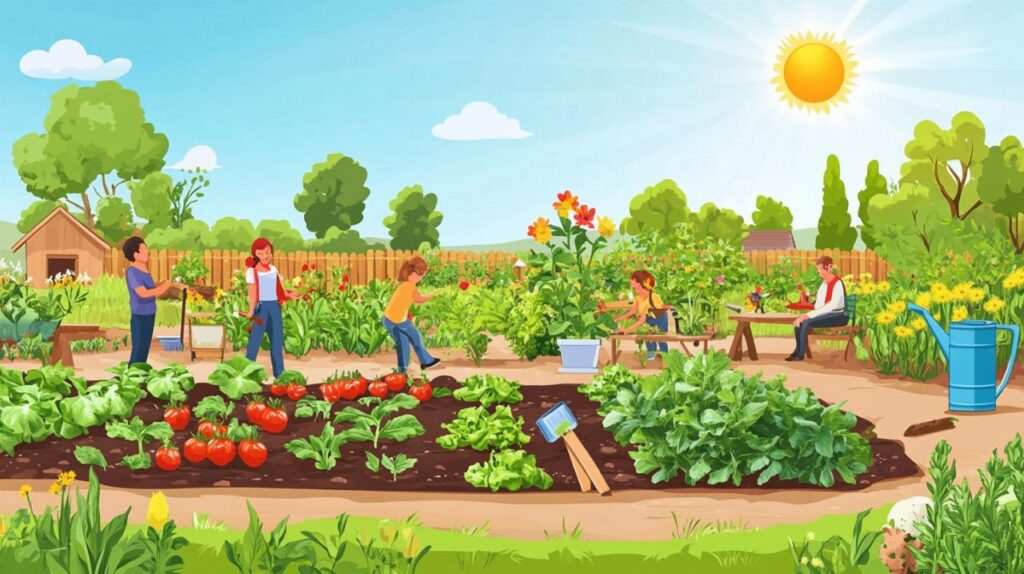
Embarking on the journey of cultivating your own produce can feel like a daunting financial commitment, but it need not be so. Whether you dream of tending rows of vegetables on a traditional allotment or simply wish to nurture a few herbs on a sunny windowsill, there are countless ways to grow fresh food and beautiful plants without straining your budget. The key lies in adopting a resourceful mindset, seeking out affordable spaces, and employing clever techniques that maximise yield while minimising expenditure. This guide will walk you through the essential steps to establish and maintain a thriving garden, all while keeping costs firmly under control.
Securing your plot: finding affordable allotment spaces and growing areas
Navigating Council Allotments and Community Gardens on a Budget
For many aspiring gardeners, a council allotment represents the gold standard of growing space. These plots, often managed by local authorities, offer generous areas of land at remarkably reasonable annual fees. Joining a waiting list may require patience, but the rewards are substantial. Community gardens provide another excellent avenue, particularly for those who value shared knowledge and collective effort. These spaces often welcome newcomers with open arms, offering not just soil to cultivate but also a wealth of experience from fellow gardeners. Many community projects operate on a voluntary basis, meaning the financial barrier to entry remains refreshingly low. It is worth investigating what your local council and community groups have available, as the cost per square metre of growing space can be astonishingly modest compared to purchasing fresh produce throughout the year.
Alternative growing spaces: balconies, windowsills, and shared plots
Not everyone has access to a traditional allotment, yet this should not deter anyone from cultivating their own food. Balconies and windowsills can transform into productive micro-gardens with a bit of ingenuity. Containers fashioned from repurposed materials can house tomatoes, peppers, salad leaves, and herbs, bringing fresh flavours to urban dwellers. For those with limited personal space, shared plots offer a collaborative solution. These arrangements allow multiple individuals to divide the responsibilities and costs of maintaining a larger area, making the venture both affordable and socially enriching. Even the smallest outdoor nook can yield surprising harvests when planned thoughtfully, proving that size is no obstacle to successful gardening.
Budget-friendly foundations: sourcing quality seeds and soil without overspending
Where to Find Affordable Seeds Online and Locally for Vegetables and Herbs
Seeds represent one of the most economical routes into gardening, offering remarkable value when compared to purchasing young plants. A single packet of seeds can yield dozens of vegetables or herbs, often costing a fraction of what one might pay for equivalent plug plants. For instance, a packet of French bean seeds might set you back around four pounds and fifty pence, whereas the same quantity of plug plants could exceed eleven pounds. Online retailers frequently offer competitive prices and a vast selection, but do not overlook local garden centres and community seed swaps, where enthusiasts exchange surplus varieties at no cost. Joining organisations such as the National Allotment Society can unlock further savings, with discounts of up to forty per cent on seed purchases, alongside additional benefits like legal advice and liability insurance. Sharing packets with neighbours or allotment companions can further stretch your budget, ensuring that no seed goes to waste.
Building healthy soil through organic methods and cost-effective amendments
Healthy soil forms the bedrock of any successful garden, yet it need not be an expensive commodity. Homemade compost stands as the most cost-effective amendment available, transforming kitchen scraps and garden waste into nutrient-rich material that rivals shop-bought alternatives. A simple compost bin can be constructed from reclaimed wooden pallets at virtually no cost, whereas purchasing peat-free compost might require spending between six and eight pounds for a fifty-litre bag. Composting not only saves money but also reduces household waste, creating a virtuous cycle of sustainability. Organic matter such as grass clippings, vegetable peelings, and fallen leaves all contribute to a thriving compost heap, which in turn enriches your soil and supports vigorous plant growth. For those seeking additional nutrition for their crops, homemade liquid feeds crafted from comfrey or nettles provide a free and effective alternative to commercial fertilisers, which can cost upwards of eight pounds per litre.
Thrifty growing techniques: permaculture principles and money-saving gardening practices
Applying Permaculture Ethics to Reduce Costs and Maximise Yields
Permaculture, with its emphasis on working harmoniously with nature, offers a treasure trove of strategies for the budget-conscious gardener. At its core, permaculture encourages the reuse and repurposing of materials, the cultivation of self-sustaining systems, and the nurturing of biodiversity. By adopting these principles, gardeners can dramatically reduce their reliance on purchased inputs. For example, creating biodegradable pots from newspaper or toilet roll tubes eliminates the need for plastic seed trays, saving around one pound fifty per fifteen pots. Old food containers can serve as seed trays, while glass bottles buried alongside plants direct water to the roots, reducing evaporation by up to eighty per cent and conserving precious resources. Cardboard laid over bare soil suppresses weeds naturally, replacing costly weed membranes that might otherwise demand between fifteen and thirty pounds. These simple yet effective techniques embody the permaculture ethos of care for the earth and care for people, proving that ecological responsibility and financial prudence go hand in hand.
Clever Strategies for Extending Your Harvest and Minimising Expense
Strategic planning can yield impressive savings and ensure a continuous supply of fresh produce. Choosing to grow expensive or hard-to-find crops such as asparagus, shallots, or purple sprouting broccoli allows gardeners to enjoy gourmet ingredients that would otherwise command high prices in shops. Consider that a kilogramme of baby potatoes might cost one pound eighty, compared to just seventy pence for standard baking potatoes, yet unusual varieties can fetch even higher premiums when purchased. Propagating plants from runners, cuttings, and side shoots multiplies your stock without spending a penny, with strawberry runners alone saving nearly seven pounds for six plants. Bare root fruit trees and bushes, purchased during winter, cost significantly less than their containerised counterparts, with raspberry canes available for around ten pounds rather than twenty. Swap stations among allotment neighbours foster a spirit of community and mutual support, potentially saving ten pounds or more on tools and plants. Collecting seeds from your healthiest specimens ensures future generations of crops at no extra cost, while repurposing materials such as scrap wood and pruned branches for plant supports can save between eight and twenty pounds. By combining these resourceful practices with thoughtful planning, gardeners can cultivate abundance without breaking the bank, proving that a thriving plot is within reach for everyone, regardless of budget.