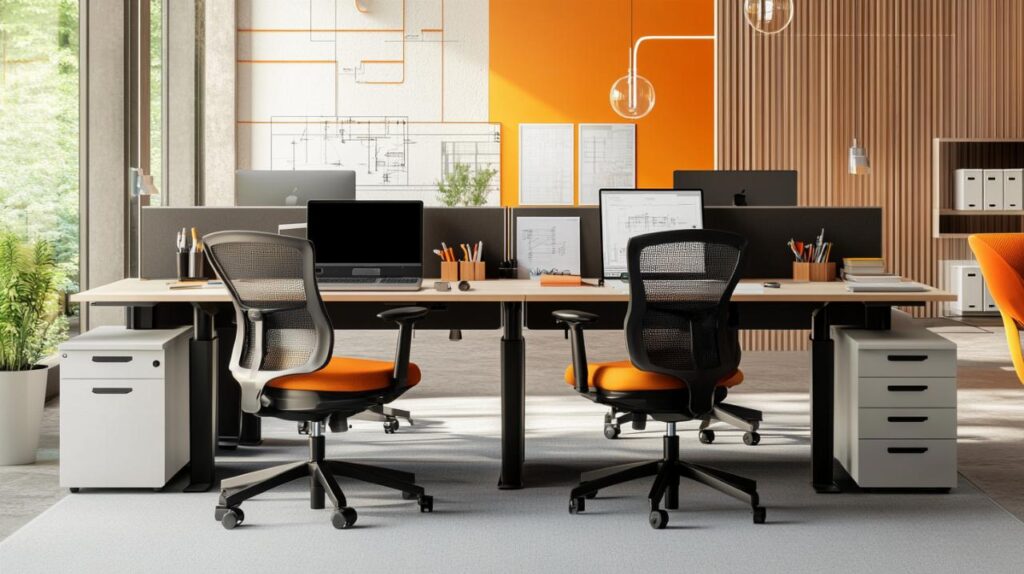
The modern workplace demands more than just technical skill; it requires an environment that supports the physical wellbeing of professionals who juggle both on-site electrical work and office-based administrative duties. Electricians today find themselves splitting time between active fieldwork and desk-bound tasks such as project planning, blueprint review, and client correspondence. Creating a workspace that addresses these dual demands through ergonomic office solutions not only safeguards health but also significantly enhances overall productivity and job satisfaction.
Understanding Ergonomic Challenges Faced by Electricians in Office Settings
Electricians working in office environments face a unique set of physical challenges that differ markedly from the hazards encountered in the field. While on-site work involves manual handling and physical exertion, office tasks expose professionals to prolonged periods of sitting, repetitive movements, and static postures. These conditions contribute to musculoskeletal discomfort that can impair concentration and reduce efficiency. Recognising these challenges is the first step toward creating a healthier, more productive workspace tailored to the needs of electricians who transition between fieldwork and administrative responsibilities.
Common musculoskeletal strains from administrative tasks
Extended hours spent reviewing electrical plans, preparing quotations, and coordinating with clients often result in persistent lower back pain, neck stiffness, and shoulder tension. Unlike the varied physical activity of fieldwork, desk-based tasks impose static loads on the spine and upper body. Poor posture while studying blueprints or typing reports can lead to chronic discomfort that accumulates over weeks and months. Investing in a quality ergonomic chair, typically ranging between one hundred and three hundred pounds, can significantly reduce back pain and promote better spinal alignment. Such seating solutions are designed to support the natural curvature of the spine, encouraging proper posture and alleviating strain during lengthy planning sessions. Additionally, repetitive use of computer peripherals can contribute to wrist strain and fatigue, further underscoring the importance of thoughtful workstation design.
Impact of Poor Workstation Design on Project Planning Efficiency
An inadequately arranged workspace does more than cause physical discomfort; it directly hampers the ability to plan and execute projects effectively. Cluttered desks, poorly positioned monitors, and insufficient lighting all contribute to reduced concentration and increased error rates. When electricians struggle with eye strain or discomfort while reviewing technical drawings, the quality of their work suffers. Proper lighting, ideally within the range of five hundred to eight hundred lumens, is essential for maintaining focus and reducing visual fatigue during detailed tasks. Furthermore, disorganised workspaces disrupt workflow and create unnecessary stress, leading to inefficiencies that ripple through project timelines. Addressing these design flaws through strategic office fit-out initiatives can transform a workspace into a hub of efficiency, where tasks are completed with precision and minimal physical toll.
Implementing practical ergonomic solutions to boost electrician productivity
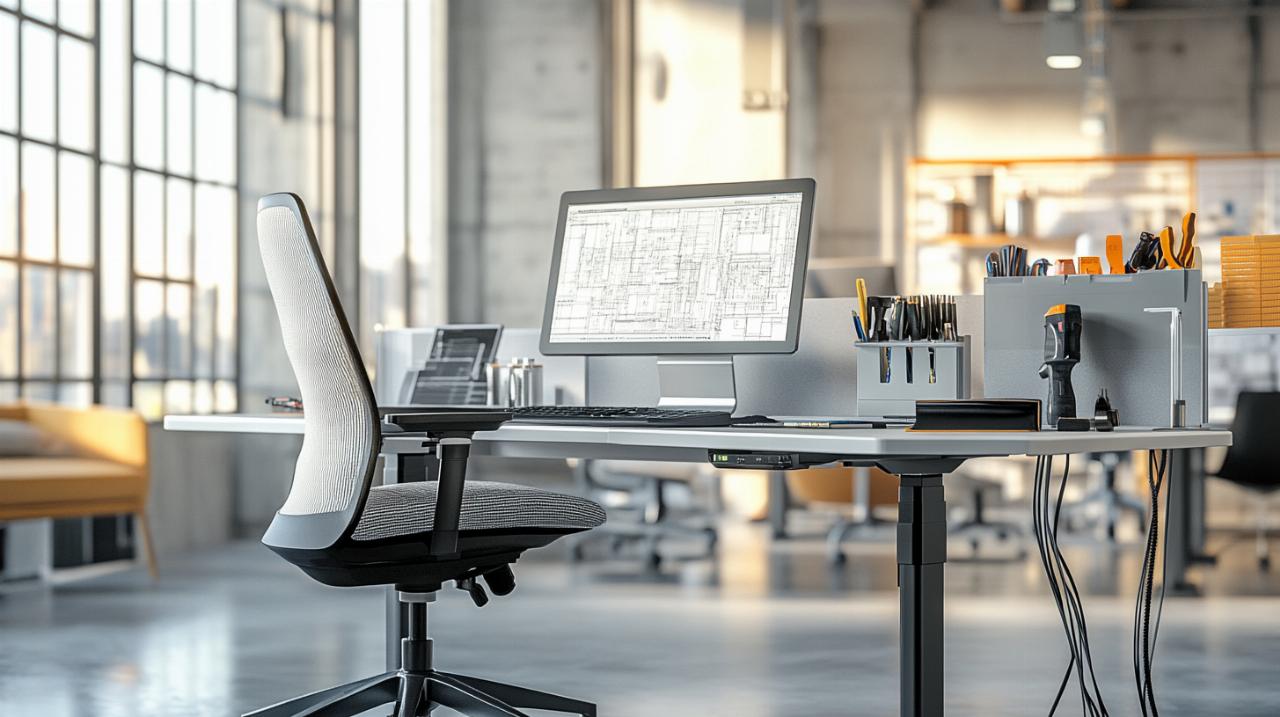
Transforming an office environment to better serve the needs of electricians involves a combination of thoughtful furniture selection, strategic technology integration, and attention to environmental factors. The goal is to create a flexible workspace that adapts to the varied demands of administrative work while promoting health and wellbeing. By implementing practical ergonomic office solutions, electricians can enjoy a workspace that supports both their physical health and their professional output, reducing downtime caused by discomfort and enabling more focused, productive work sessions.
Adjustable Desk and Seating Solutions for Blueprint Review Sessions
Flexibility is paramount when designing a workspace for professionals who alternate between detailed review of electrical plans and general administrative tasks. Adjustable desks, which allow users to alternate between sitting and standing positions, offer a dynamic solution that encourages movement and reduces the risks associated with prolonged sitting. These desks support a more agile workspace design, enabling electricians to tailor their environment to the task at hand. Pairing an adjustable desk with a high-quality ergonomic chair ensures that both sitting and standing postures are properly supported. When seated, the chair should provide lumbar support and encourage an upright posture, while the desk height should allow elbows to rest comfortably at a ninety-degree angle. For electricians working in home office settings, choosing a suitable space such as a spare room or even converting a garage can provide the dedicated environment necessary for focused work. Internal garage conversions typically require no planning permission, making them an accessible option for those seeking a separate, professional workspace. Garden offices, provided they remain under two and a half metres in height, also offer a viable solution for creating a distinct work area without the need for approval.
Optimising Computer Screen Positioning and Lighting for Reduced Eye Strain
The positioning of computer screens and the quality of lighting are critical factors in preventing eye strain and maintaining productivity during extended work sessions. Screens should be placed at eye level, approximately an arm's length away, to minimise neck flexion and reduce the risk of discomfort. Adjusting monitor height and angle ensures that electricians can review digital blueprints and correspondence without adopting awkward postures. Complementing screen positioning with appropriate lighting solutions is equally important. LED lighting, preferred for its energy efficiency and consistent output, should be supplemented with dimmable options to enhance comfort during long working hours. Smart lighting systems, which adjust dynamically to ambient conditions and specific task requirements, can significantly improve the work environment by reducing glare and shadow. Proper electrical planning is essential to support these advanced lighting solutions, ensuring that home offices have adequate power outlets and surge protectors to accommodate multiple devices. A well-designed home office should feature between four and six power outlets to support computers, printers, chargers, and other essential equipment. Cable organisers and modular storage solutions further contribute to a tidy workspace, reducing clutter and improving workflow efficiency. By integrating these elements, electricians can create an office environment that not only meets the demands of modern remote work in the UK but also promotes long-term health and sustained productivity.