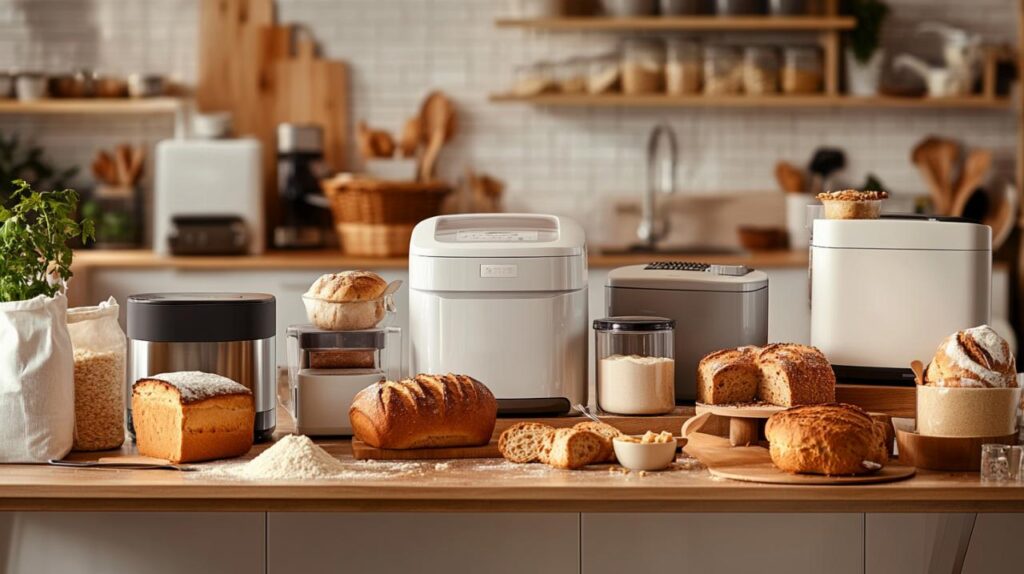
Home baking enthusiasts seeking the perfect blend of convenience, quality, and variety have increasingly turned to bread machines as essential kitchen companions. These innovative appliances promise freshly baked loaves with minimal effort, transforming flour, yeast, and water into warm, aromatic bread without the need for kneading or constant monitoring. With numerous models flooding the market in recent years, selecting the right bread maker involves understanding key features, comparing performance across brands, and evaluating what truly matters for your household baking ambitions. This comprehensive guide explores the landscape of bread machines available in 2026, with particular attention to popular models from Moulinex and other leading manufacturers, helping you navigate the choices to find the perfect machine for your kitchen.
Understanding Bread Machine Features: Power, Programmes, and Functions for Perfect Loaves
When evaluating bread machines, the range and sophistication of programmes available represent one of the most crucial considerations. Modern bread makers offer far more than basic white loaf settings, with many models incorporating specialised cycles for wholemeal bread, gluten-free recipes, sourdough preparations, and even jam-making capabilities. The Panasonic SD-YR2540 stands out in this regard, recognised for offering the best range of programmes at approximately two hundred and forty pounds, providing bakers with exceptional versatility. For those who prioritise having options to experiment with different bread types, ensuring your chosen machine includes programmes specifically designed for one hundred percent wholemeal bread proves essential, as not all models accommodate this requirement.
The quality of the final loaf depends significantly on how well the machine manages the baking process, from rise and evenness to crust development and internal texture. Testing conducted by experienced researchers such as Joel Bates, a principal researcher with six years of testing experience, reveals that bread makers vary considerably in their ability to produce consistent results. Sixteen machines were evaluated using identical ingredients to ensure fairness, with assessments covering factors like rise quality, evenness throughout the loaf, crust characteristics, internal texture, ease of use, and noise levels during operation. The Panasonic SD-R2530, priced at approximately one hundred and seventy-six pounds, earned recognition for producing the best crust quality, demonstrating that premium models often justify their cost through superior baking performance.
Essential Programmes and Cooking Settings: From Gluten-Free to Speciality Recipes
The versatility of a bread machine largely depends on its programming options, which determine the types of bread and other baked goods you can create. Gluten-free baking has become increasingly important for households accommodating dietary restrictions, and models like the Russell Hobbs Bread Maker, priced at approximately eighty-five pounds, have been specifically recognised as excellent for gluten-free bread production. These specialised programmes adjust mixing times, rising periods, and baking temperatures to accommodate the unique properties of gluten-free flour blends, which behave differently from traditional wheat flour.
Beyond standard bread types, many contemporary machines offer rapid bake functions for those occasions when time is limited. The Gastroback 62823, though positioned at a higher price point of approximately one hundred and ninety-nine pounds, excels in rapid baking scenarios, allowing users to produce fresh loaves in significantly reduced timeframes. Delay timers represent another valuable feature, enabling you to load ingredients in the evening and wake to freshly baked bread, whilst auto dispensers for nuts, raisins, and other additions ensure these ingredients are incorporated at precisely the right moment without manual intervention. These convenience features transform the bread-making experience from a hands-on task to a largely automated process that fits seamlessly into busy schedules.
Power Requirements and Machine Capacity: Matching Your Baking Needs with the Right Model
The physical capacity of a bread machine determines the size of loaves you can produce, with models typically ranging from five hundred grammes to one kilogramme per batch. For smaller households or those with limited counter space, compact options like the Panasonic SD-PN100, recognised as the best mini bread maker at approximately one hundred and nine pounds, provide an ideal solution without sacrificing quality. Conversely, larger families benefit from machines capable of producing bigger loaves, such as the Panasonic SD-B2510, designated as best for families at approximately one hundred and forty-nine pounds, which can accommodate the greater bread consumption typical of households with children.
Power consumption represents a practical consideration often overlooked during the selection process. Electricity costs for operating a bread maker range from approximately five pounds twenty pence to twelve pounds forty-eight pence annually, depending on usage frequency. Whilst these figures remain modest, they highlight that making bread at home may not always prove cheaper than purchasing ready-made loaves from shops. The true value of owning a bread machine lies not in financial savings but rather in the superior quality, freshness, and control over ingredients that home baking provides. Understanding this distinction helps set realistic expectations and ensures your investment aligns with your actual priorities, whether those centre on health, taste, dietary requirements, or simply the satisfaction of creating something from scratch.
Moulinex Bread Machines: Quality Reviews, Price Comparisons, and Top Models for 2026
Whilst Moulinex remains a respected name in kitchen appliances, the 2026 bread maker landscape features strong competition from brands including Tefal, Panasonic, Morphy Richards, Lakeland, Russell Hobbs, Sage, and ProCook. The Tefal PF240E40 has earned recognition as the best overall bread maker at approximately eighty-five pounds, representing an excellent balance between performance, features, and affordability. This model demonstrates that exceptional results need not require premium pricing, making quality home baking accessible to a broader range of consumers.
Product reviews conducted by organisations such as Good Housekeeping UK provide valuable insights into real-world performance beyond manufacturer specifications. These assessments, led by experts like Blossom Boothroyd, focus on the quality of loaves produced, the range of programmes offered, and overall ease of use. Such comprehensive testing reveals that the best bread makers deliver delicious results across various bread types whilst remaining intuitive to operate, even for those new to home baking. The emphasis on ease of use proves particularly important, as even the most feature-rich machine becomes frustrating if its controls are confusing or its instructions unclear.
Comprehensive Reviews of Leading Moulinex Models: Performance and Value Assessment
When examining Moulinex models alongside competitors, several brands have established themselves as particularly noteworthy. Panasonic has secured multiple positions in best-of lists, with different models excelling in specific categories, demonstrating the brand's commitment to serving varied consumer needs. The Sage Custom Loaf, priced at approximately two hundred and forty-nine pounds, represents the premium end of the market and has been recognised as best for personalisation, offering bakers unprecedented control over their bread-making process through customisable settings that accommodate individual preferences and experimental recipes.
For budget-conscious consumers, the Morphy Richards 48281 stands out as the best affordable option at approximately sixty-nine pounds, proving that effective bread making need not require substantial investment. Similarly, the ProCook Bread Maker at approximately seventy-nine pounds offers strong performance at an accessible price point. These more economical models typically include essential programmes and functions whilst omitting some of the advanced features found in premium alternatives. The key lies in determining which features you will genuinely use regularly versus those that might seem appealing but ultimately remain underutilised in your kitchen.
Price Analysis and Function Comparison: Finding the Best Machine for Your Budget
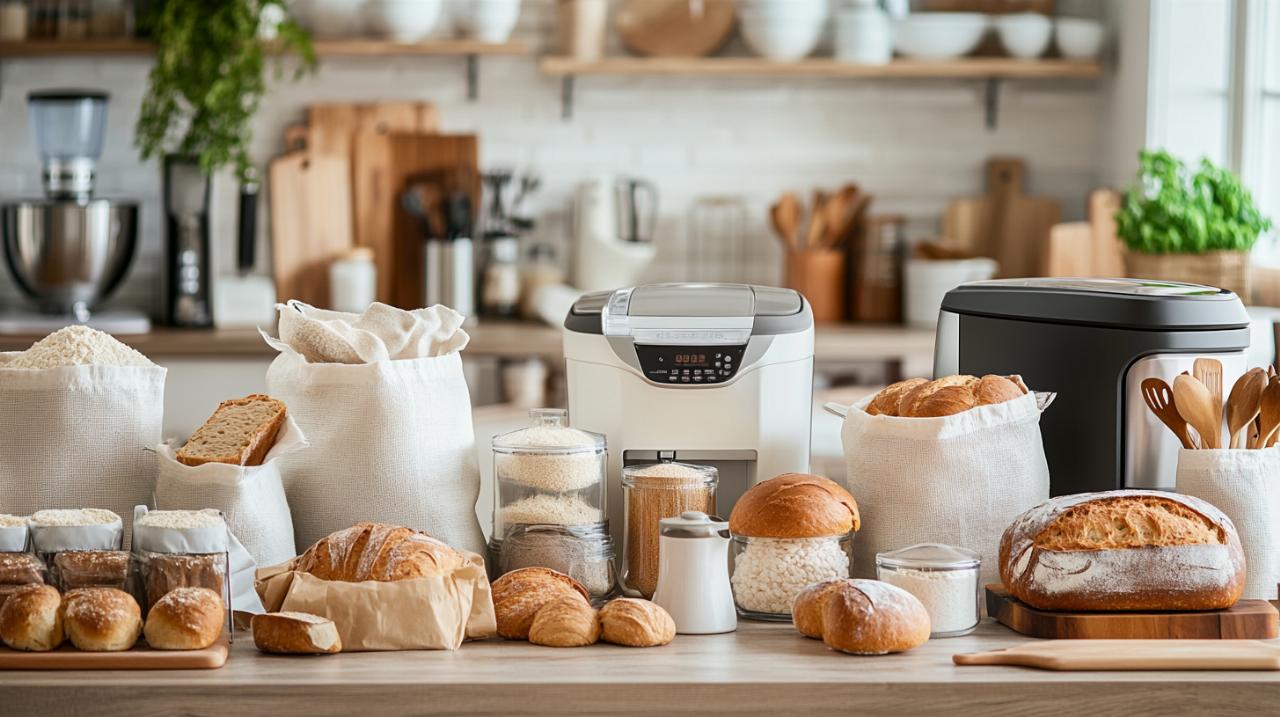
Price ranges for bread machines span from under seventy pounds to over two hundred and fifty pounds, with considerable variation in features and performance across this spectrum. Three models have been identified as top-rated Best Buys, alongside one Great Value bread maker priced under one hundred pounds, demonstrating that excellent options exist at multiple price points. When comparing prices, consider not just the initial purchase cost but also the long-term value derived from durability, versatility, and the quality of bread produced.
Specifications vary significantly across models, influencing both capability and convenience. Features such as viewing windows allow you to monitor the baking process without opening the lid and disrupting temperature consistency, whilst automatic ingredient dispensers ensure additions like seeds or dried fruit are incorporated at the optimal moment. The importance of noise levels during operation should not be underestimated, particularly if you plan to use delay timers for overnight baking in proximity to sleeping areas. Testing has revealed substantial differences between models in this regard, with some operating noticeably more quietly than others. Balancing these various factors against your specific requirements and budget constraints ensures you select a machine that will genuinely enhance your home baking experience rather than becoming an expensive appliance that gathers dust.
Mastering Home Baking: Ingredients, Recipes, and Getting the Most from Your Bread Machine
Success with a bread machine extends beyond simply selecting the right model; understanding how to use it effectively proves equally important. Proper ingredient preparation forms the foundation of quality loaves, with the order and temperature of ingredients affecting the final result. Most machines require liquids to be added first, followed by dry ingredients, with yeast added last and kept separate from salt and sugar until mixing begins. Using ingredients at room temperature generally produces better results than cold ingredients straight from the refrigerator, as this promotes more consistent yeast activation and dough development.
The consistency of results achieved through bread machines stems partly from their ability to maintain precise control over mixing, rising, and baking conditions that would be difficult to replicate through entirely manual methods. However, variables in flour protein content, ambient humidity, and ingredient freshness can still influence outcomes. Developing familiarity with your specific machine and adjusting recipes based on observed results allows you to refine your technique over time. Many experienced bread machine users maintain notes on successful recipes and modifications, creating a personalised reference that accounts for their particular model's characteristics and their local conditions.
Essential Ingredients and Proven Recipes for Quality Loaves at Home
High-quality ingredients directly impact the taste and texture of your bread. Flour selection proves particularly crucial, with different varieties suited to different bread types. Strong white bread flour contains higher protein content than standard plain flour, developing better gluten structure for superior rise and texture. Wholemeal flour incorporates the entire wheat kernel, providing greater nutritional value and a denser, more robust loaf. For those requiring gluten-free options, specialised flour blends designed for bread making incorporate binders and stabilisers that compensate for the absence of gluten, though these typically require specific programmes to accommodate their unique properties.
Yeast quality and freshness significantly affect rising performance. Many bread machine users prefer instant dried yeast for its convenience and reliable results, though fresh yeast and active dry yeast also work well when properly prepared. Salt enhances flavour whilst controlling yeast activity, and sugar or honey provides food for yeast whilst contributing to browning and taste. Fats such as butter or oil improve texture and keeping qualities, creating a softer crumb and extending freshness. Water temperature matters more in traditional baking than in bread machines, which control the environment, but starting with ingredients at similar temperatures promotes even mixing and consistent results.
Expert Tips for Choosing Your Ideal Bread Machine Based on Cooking Preferences
Selecting the perfect bread machine requires honest assessment of your actual baking habits and preferences rather than aspirational thinking about how you might use it. Consider how frequently you currently consume bread and whether you genuinely prefer homemade varieties to shop-bought alternatives. If you rarely eat bread or find shop-bought loaves perfectly satisfactory, even the best machine may prove an unnecessary purchase. Conversely, households that consume significant quantities of bread, have specific dietary requirements, or particularly value freshness and ingredient control will derive substantial benefit from a quality bread maker.
The range of programmes you truly need depends on the variety you seek in your bread consumption. If you primarily want white or wholemeal loaves with occasional variations, a mid-range model with essential programmes will serve perfectly well. Those who enjoy experimenting with sourdough, gluten-free baking, fruit breads, and speciality recipes should prioritise models offering extensive programme options. Practical considerations such as available counter space, storage capabilities, and your tolerance for appliance noise during operation also influence which model suits your household best. Reading reviews from actual users, not just professional testers, provides valuable insights into long-term reliability and real-world performance that specifications alone cannot convey. Taking time to research thoroughly before purchasing ensures your bread machine becomes a valued kitchen tool that genuinely enhances your daily life rather than an expensive mistake gathering dust in a cupboard.