
The rise of all-terrain hoverboards has captivated riders across the United Kingdom, offering an exciting blend of technology and adventure. However, navigating the complex legal landscape surrounding these electric devices remains crucial for anyone considering a purchase. Understanding where and how you can legally ride, alongside recognising quality standards and responsible usage practices, ensures both compliance with current regulations and a safe, enjoyable experience. This comprehensive guide explores the legislative framework, compares leading models available on the market, and provides practical advice for making informed decisions as a responsible rider.
Understanding UK Legislation and Safety Standards for All-Terrain Hoverboards
Current legal framework and where you can ride your hoverboard
In the United Kingdom, hoverboards fall under the classification of Personal Light Electric Vehicles, commonly referred to as PLEVs. Under the Road Traffic Act, these devices are further categorised as Powered Transporters, placing them in the same legal bracket as motor vehicles. This classification means that hoverboards must theoretically meet the same rigorous standards required for cars, including registration, taxation, and insurance. However, the practical reality is that hoverboards cannot satisfy these legal requirements, making their use on public roads, pavements, and other public spaces entirely illegal. Riders caught using their hoverboards in prohibited areas may face fines of up to five hundred pounds, alongside potential penalties similar to those imposed for operating an uninsured vehicle. The only lawful setting for riding a hoverboard in the UK is on private land, and even then, explicit permission from the landowner is essential. This restriction significantly limits where enthusiasts can enjoy their devices, emphasising the importance of understanding and adhering to these regulations. The legislation has remained unchanged as of May 2025, with no immediate signs of reform despite ongoing discussions around the broader category of electric personal transport. Rental electric scooters operate under different rules in certain trial areas, but private hoverboards do not benefit from such exemptions. Future changes to hoverboard legislation remain uncertain, largely due to persistent safety concerns and the challenges of integrating these devices into existing traffic systems.
Essential Safety Certifications and Quality Standards to Look For
When purchasing an all-terrain hoverboard, prioritising safety certifications is paramount to ensuring both product reliability and user protection. The UL 2272 certification stands as a critical benchmark, verifying that the electrical and battery systems of a hoverboard have undergone rigorous testing to prevent fire hazards and other safety risks. In addition to this, hoverboards sold within the UK must display either CE marking or the newer UKCA marking, both of which indicate compliance with European and British safety standards respectively. These certifications are not merely regulatory formalities but essential indicators of a product's quality and safety integrity. Retailers such as HCS Gadgets and Hoverboard Store emphasise that they stock only UK-certified models, providing customers with peace of mind that their purchases meet stringent safety requirements. Beyond certifications, buyers should also consider the construction quality of the hoverboard itself, including the durability of materials used for off-road conditions and the reliability of the self-balancing technology. Lithium-ion batteries, which power these devices, require careful handling during charging and storage to prevent overheating or damage. Regular maintenance checks are recommended to ensure that all components function correctly and safely over time. Furthermore, even though protective gear such as helmets, knee pads, and elbow pads is not legally mandated for private land use, it is strongly advised for all riders, particularly younger users. The combination of certified products and responsible safety practices forms the foundation of a secure and enjoyable riding experience.
Comprehensive Comparison of Top All-Terrain Hoverboard Models and Features
Electric speed, battery life, and self-balancing technology across leading brands
The market for all-terrain hoverboards in the UK offers a diverse range of models, each catering to different rider preferences and budgets. Among the popular options, the H1 series presents affordable entry points, with themed designs such as Rainbow, Stars, and Dinosaurs appealing to younger riders. The H1 Rainbow and H1 Stars are priced at approximately ninety-eight pounds ninety-nine pence each, while the H1 Dinosaurs model is slightly more budget-friendly at eighty-eight pounds ninety-nine pence. For those seeking enhanced performance, the H2 series offers improved features, with the H2 Pink and H2 Blue models available at one hundred and nineteen pounds ninety-nine pence. The H8Max range represents a significant step up in capability, designed for more demanding off-road conditions. The H8Max Black and H8Max Yellow models are priced at one hundred and sixty-eight pounds ninety-nine pence, reflecting their advanced specifications and robust construction. Battery life remains a critical consideration, as longer-lasting batteries enable extended riding sessions without frequent recharging. Self-balancing technology has evolved considerably, with modern models incorporating sophisticated gyroscopic sensors and microprocessors that provide smoother and more intuitive control. This technology is particularly beneficial for beginners, as it reduces the learning curve and enhances overall stability. Speed capabilities vary across models, with entry-level devices typically reaching lower maximum speeds suitable for younger or less experienced riders, while premium models offer higher speeds for more adventurous users. When comparing models, it is essential to balance performance specifications with safety features and price points, ensuring that the chosen hoverboard aligns with the rider's skill level and intended usage.
Evaluating hoverkart compatibility and premium scooter alternatives
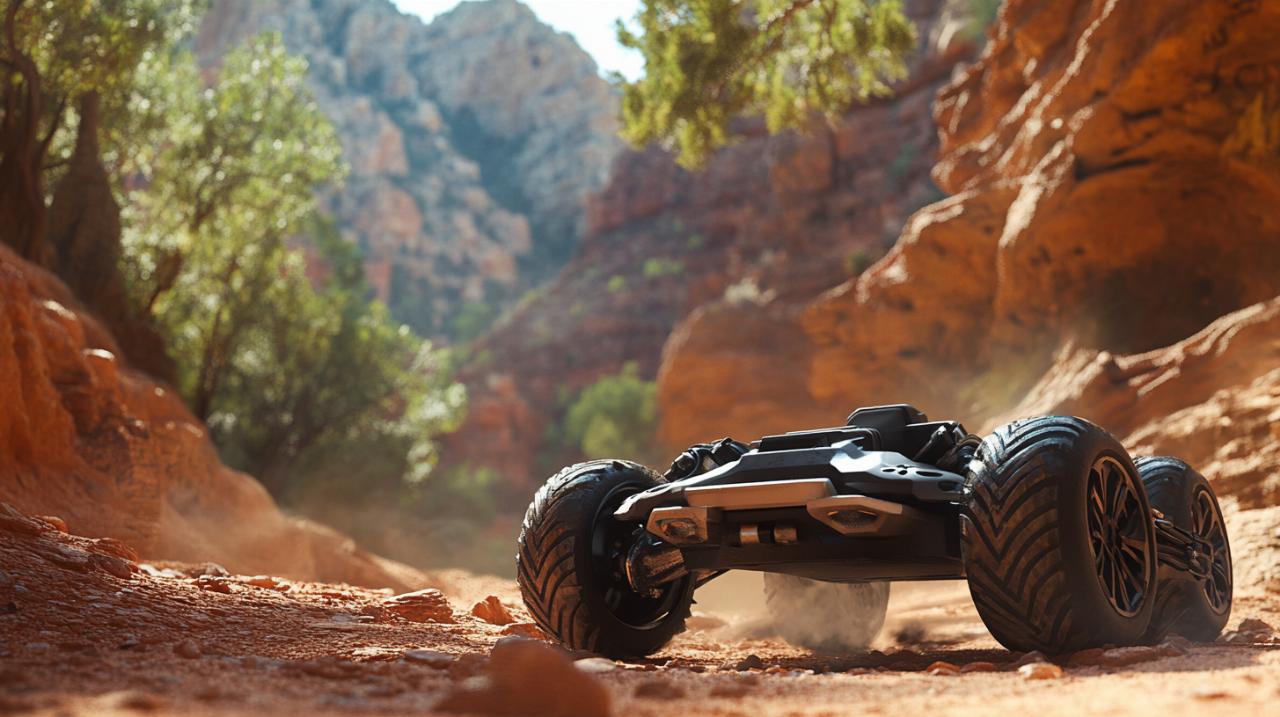
A notable enhancement to the hoverboard experience comes through the addition of hoverkart attachments, which transform the device into a seated go-kart style vehicle. These accessories, such as the Go Kart for Hoverboard priced at eighty-nine pounds ninety-nine pence, offer a different riding dynamic and can make the experience more accessible for individuals who may find standing balance challenging. Hoverkart compatibility varies across hoverboard models, so verifying that your chosen device supports such attachments before purchase is advisable. This versatility adds significant value, particularly for families looking to maximise their investment. Beyond hoverboards, the broader category of electric personal transport includes several premium scooter alternatives that may suit different needs. Electric scooter models available in the UK market range from the W8 750W at three hundred and thirty-nine pounds ninety-nine pence to the high-performance iX7Pro 2000W priced at six hundred and seventy-eight pounds ninety-nine pence. These scooters often feature more powerful motors, longer battery ranges, and enhanced suspension systems, making them suitable for varied terrains and longer commutes. Kids electric scooters start from ninety-nine pounds ninety-nine pence and extend to one hundred and sixty-nine pounds ninety-nine pence, providing age-appropriate options with safety features tailored to younger riders. Electric bikes represent another alternative, with models ranging from three hundred and fifty-six pounds ninety-nine pence to five hundred and eight pounds ninety-nine pence, offering pedal-assist technology and greater distances covered per charge. For those interested in fitness equipment, treadmills and walking pads are also available, priced between one hundred and seven pounds ninety-nine pence and one hundred and thirty-seven pounds ninety-nine pence. Each of these alternatives presents distinct advantages, and the choice ultimately depends on individual preferences, intended usage, and budget considerations.
Essential purchasing tips and responsible riding practices
Quality indicators, transport bags, and investment protection strategies
When investing in an all-terrain hoverboard, several quality indicators can guide you toward a reliable and durable product. First and foremost, purchasing from reputable UK-based retailers ensures access to certified models that comply with local safety standards. Stores such as HCS Gadgets and Hoverboard Store provide comprehensive customer support, including twelve-month warranties that cover manufacturing defects and performance issues. This warranty protection is invaluable, offering recourse should problems arise during normal use. Free UK delivery on orders above forty pounds, along with next-day dispatch services, further enhances the purchasing experience by minimising wait times and additional costs. Customer reviews serve as another crucial indicator of product quality and retailer reliability. With eighty-five percent positive feedback from a total of one hundred and fifty reviews, the satisfaction levels among existing customers reflect the overall trustworthiness of these suppliers. Beyond the hoverboard itself, investing in quality accessories such as transport bags can protect your device during storage and transportation, reducing the risk of damage and extending its lifespan. These bags are particularly useful for families who travel frequently or need to store the hoverboard safely when not in use. Additionally, considering the resale value and long-term durability of different models can influence your purchasing decision, especially if you anticipate upgrading in the future. Opting for models with established brand reputations and readily available spare parts ensures easier maintenance and repairs over time. Home insurance policies may not automatically cover liability for hoverboard-related injuries, so reviewing your coverage and considering additional protection where necessary is prudent. By combining these investment protection strategies with informed product selection, you can maximise both the enjoyment and longevity of your hoverboard purchase.
Practical Guidance for Safe and Lawful Hoverboard Usage
Responsible hoverboard usage begins with a thorough understanding of the legal restrictions and safety recommendations outlined earlier. Since public riding remains prohibited, identifying suitable private land where you have obtained explicit permission from the landowner is the first step. This might include private gardens, driveways, or dedicated recreational facilities that permit such activities. Even on private property, ensuring a safe environment free from obstacles, uneven surfaces, and other hazards is essential to prevent accidents. For younger riders, adult supervision is strongly recommended to monitor their usage and provide guidance, particularly during the initial learning phase. While no official minimum age restriction exists nationwide, many manufacturers and retailers suggest that riders should be at least six years old, as younger children may lack the necessary weight, coordination, and understanding to operate these devices safely. Most standard hoverboards require a minimum rider weight of around thirty kilograms to function correctly, with children under twenty kilograms advised against using them entirely. Wearing protective gear, including helmets, knee pads, elbow pads, and closed-toe footwear, significantly reduces the risk of injury during falls or collisions. Regular maintenance checks are vital to ensure that all components, especially the battery and motor systems, remain in optimal condition. Safe charging practices, such as using the manufacturer-approved charger and avoiding overcharging, help prevent battery-related incidents. Storing the hoverboard in a cool, dry place away from direct sunlight and extreme temperatures further protects the device and its battery. Engaging with customer support teams, available during business hours from Monday to Friday between nine in the morning and five in the afternoon UK time, provides additional assistance and answers to any safety or operational questions. By adhering to these practical guidelines, riders can enjoy their hoverboards responsibly while minimising risks and respecting legal boundaries.