Embarking on a journey into the world of wine can seem rather daunting at first, especially when faced with an array of bottles, each promising a unique story and flavour profile. For those who have yet to venture beyond the familiar supermarket shelves, understanding the nuances of wine tasting offers a rewarding and enriching path. With the right guidance and a curious palate, anyone can transform a simple sip into a profound wine tasting experience that opens the door to a universe of aromas, textures, and traditions.
Getting started: essential wine tasting techniques for novices
When beginning the adventure of wine tasting, it is crucial to recognise that there is a method behind the enjoyment. Learning the fundamental techniques not only enhances appreciation but also builds confidence when discussing and selecting wines. The process may appear elaborate, yet it becomes second nature with practice, much like learning to drive or mastering a new sport. The key lies in understanding the systematic approach that professionals employ, which allows them to assess and articulate the qualities of a wine with precision and clarity.
Mastering the Five S's: See, Swirl, Sniff, Sip, and Savour
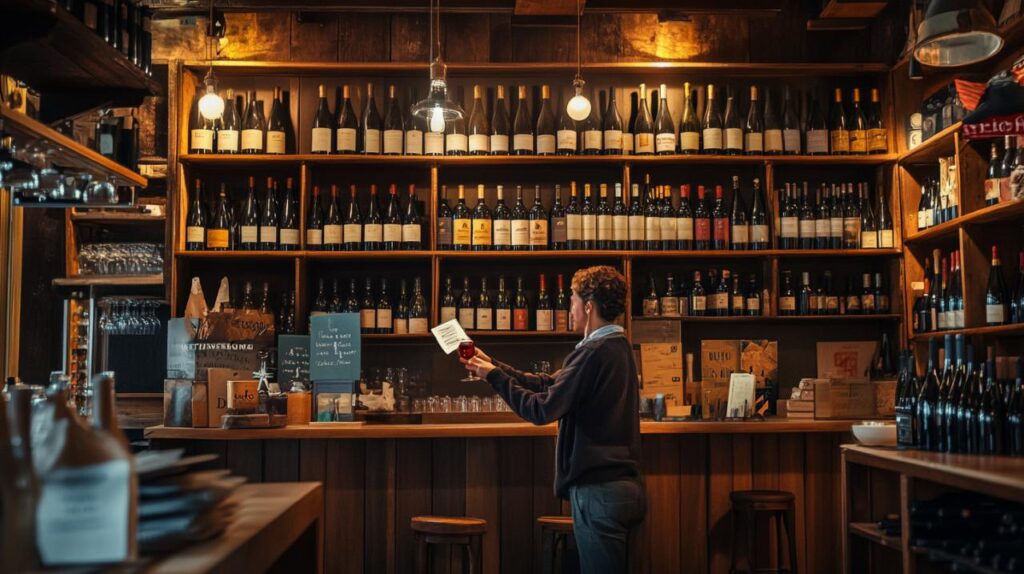
At the heart of wine tasting lies a sequence often referred to as the Five S's, a mnemonic device that simplifies the entire process. The first step, seeing, involves examining the wine's clarity, colour intensity, and even the presence of legs that cascade down the glass after a gentle swirl. This visual assessment provides early clues about the wine's age, body, and potential flavour profile. A well-lit environment is essential for this stage, as it allows the taster to observe subtle variations in hue that might otherwise go unnoticed.
The second step, swirling, aerates the wine and releases its volatile compounds, thereby intensifying the aromas. This simple yet effective technique prepares the wine for the crucial third step, sniffing, which is arguably the most revealing part of the tasting process. Research suggests that smells account for a significant portion of wine analysis, and training one's smell memory is vital for improving identification skills. By inhaling deeply and deliberately, tasters can detect a wide range of aroma clusters, from fruity and floral notes to earthy and spicy undertones.
Following the olfactory exploration comes the act of sipping, where the wine meets the palate and reveals its true character. This stage involves assessing the balance, flavour intensity, and structure of the wine, including elements such as tannins and acidity. Finally, savouring allows the taster to consider the finish, the lingering impression that remains after swallowing. A long, complex finish is often indicative of a high-quality wine, while a short or unpleasant aftertaste may suggest a less refined product. Together, these five steps form a comprehensive framework that transforms a casual drink into an analytical and pleasurable experience.
Understanding wine characteristics: body, tannins, and acidity
Beyond the sequential steps of tasting, it is essential to develop an understanding of the fundamental characteristics that define a wine. The body of a wine, for instance, refers to its weight and mouthfeel, ranging from light and delicate to full and robust. This characteristic is influenced by factors such as alcohol content, residual sugar, and the grape variety itself. A beginner might start by comparing a crisp white wine to a bold red, noting how each feels on the palate and how this sensation complements or contrasts with the flavours present.
Tannins are another critical component, particularly in red wines. These naturally occurring compounds, derived from grape skins, seeds, and stems, contribute to the wine's structure and astringency. When a wine feels dry or slightly puckering in the mouth, tannins are at work. Understanding how tannins interact with food is crucial for pairing, as they can soften rich, fatty dishes while enhancing the overall dining experience. Meanwhile, acidity provides freshness and vibrancy, acting as a counterbalance to sweetness and richness. Wines with higher acidity tend to be more refreshing and food-friendly, making them versatile choices for a range of cuisines.
Assessing these characteristics requires both practice and patience. As one progresses through various tastings, patterns begin to emerge, and the ability to identify and articulate these qualities becomes more intuitive. The process is not about memorising rigid definitions but rather about developing a personal vocabulary that captures one's unique impressions and preferences. This journey is supported by structured courses, such as those offered by institutions with decades of experience in wine education, where expert tutors provide insight into the wines and their origins, helping participants expand their palate and gain confidence in their assessments.
Exploring wine varieties and perfect food pairings
Once the foundational techniques are mastered, the next step is to explore the vast world of wine varieties and understand how different styles can be matched with food to elevate both the meal and the wine. This exploration is not only about discovering new flavours but also about appreciating the cultural and geographical contexts that shape each bottle. From the rolling vineyards of France to the sun-drenched slopes of Italy and beyond, each region imparts its unique signature to the wines it produces, creating a tapestry of tastes that reflect the land and its traditions.
A Beginner's Guide to Popular Wine Regions and Their Signature Styles
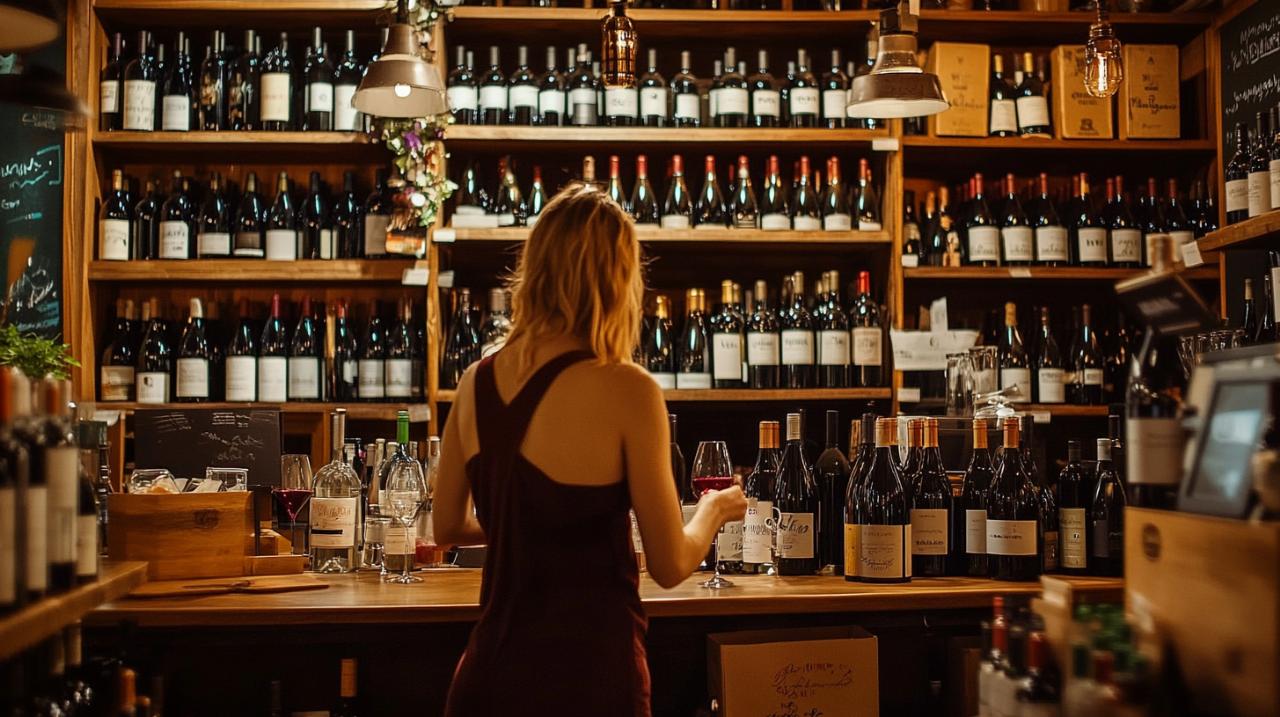
The journey through wine regions begins with an appreciation of how climate, soil, and winemaking traditions converge to create distinctive styles. For those just starting out, it is helpful to focus on a few well-known regions that offer accessible and expressive wines. France, for instance, is home to some of the world's most celebrated wine areas, including Bordeaux, Burgundy, and Champagne. Each of these regions has developed a reputation for particular grape varieties and winemaking techniques, resulting in wines that are both iconic and diverse.
In Bordeaux, the emphasis is often on blends of red varieties such as Cabernet Sauvignon and Merlot, which produce wines with depth, structure, and ageing potential. Meanwhile, Burgundy is renowned for its Pinot Noir and Chardonnay, wines that are celebrated for their elegance and complexity. Champagne, of course, is synonymous with sparkling wine, a category that has become a symbol of celebration and refinement. Beyond France, regions such as Tuscany in Italy and the Rioja in Spain offer their own signature styles, from the bold and earthy Chianti to the smooth and oaky Tempranillo.
Understanding these regional characteristics helps beginners navigate the often overwhelming selection of wines available in shops and restaurants. It also provides a framework for exploring lesser-known regions and discovering hidden gems. As one delves deeper into the world of wine, the stories behind each bottle become as captivating as the flavours themselves, revealing the passion and craftsmanship of the winemakers who dedicate their lives to this ancient art.
Matching wines with cuisine: simple pairing principles that work
The art of pairing wine with food is a skill that transforms a meal into a harmonious and memorable experience. While the subject can be complex, there are simple principles that beginners can follow to achieve satisfying results. The fundamental idea is to match the weight and intensity of the wine with that of the dish, ensuring that neither overpowers the other. For example, a light white wine pairs beautifully with delicate seafood, while a full-bodied red complements hearty meats and rich sauces.
Acidity and tannins play crucial roles in pairing decisions. High-acidity wines, such as Sauvignon Blanc or Pinot Grigio, cut through rich or fatty foods, refreshing the palate and enhancing the overall flavour. Similarly, tannic red wines like Cabernet Sauvignon are ideal with grilled meats, as the tannins interact with the proteins and fats, softening the wine and bringing out its fruitiness. Conversely, sweeter wines can balance spicy dishes, providing a counterpoint to heat and complexity.
Another important consideration is to think about complementary and contrasting flavours. A wine with earthy notes might complement a mushroom dish, while a crisp, citrusy wine could contrast with and elevate the flavours of a creamy pasta. Experimenting with different combinations is part of the fun, and there are no strict rules that cannot be bent or broken in pursuit of personal enjoyment. Many institutions offer masterclasses and courses that provide hands-on opportunities to explore these pairings, allowing participants to taste a variety of curated wines alongside carefully selected dishes, thereby gaining confidence and expanding their culinary horizons.
For those eager to deepen their understanding, structured courses starting from modest fees per person offer comprehensive introductions to wine tasting and pairing. These courses cover everything from the basics of aroma identification to the intricacies of blind tasting exams, all within a warm and welcoming atmosphere. Gift vouchers for such experiences are also available, making them an ideal treat for oneself or a thoughtful present for like-minded friends who share a passion for discovery and refinement.
In summary, the journey into wine tasting is one of continuous learning and sensory exploration. By mastering essential techniques, understanding the characteristics that define different wines, and experimenting with food pairings, beginners can unlock a world of flavour and tradition that enriches everyday life. Whether attending a course led by expert tutors with decades of experience or simply exploring bottles at home, the key is to remain curious, open-minded, and willing to savour each moment. The ultimate wine tasting experience for beginners is not about reaching a final destination but rather about embracing the adventure and enjoying the stories that every glass has to tell.